If you run a small creative business, plan events, or just love sending physical stationery like I do, finding a reliable printer feels a bit like finding a great local mechanic. You tend to stick with them once you find them, because getting print wrong is an expensive headache. Colours come out muddy, card stock feels flimsy, or deliveries arrive two days after your big launch event. Believe me, I’ve been through the wringer with various online printers over the years.
A few years ago, after yet another batch of wedding-style invitations arrived from a budget overseas printer looking completely washed out, a designer friend recommended I check out Visit Official Website Now. Since then, they’ve pretty much become my go-to for everything from art prints and business cards to Christmas cards and client packaging inserts.
In this write-up, I want to pull back the curtain and share my genuine experience using the platform. No corporate fluff, no sponsored bias—just a thorough look at what makes them good, where they occasionally trip up, and whether they are actually worth your hard-earned money.
Why Finding a Good UK Printer Is Such a Pain
Let’s be honest for a second—no, wait, let’s rephrase that: let’s be completely straight about it. Ordering print online is inherently stressful. You upload a digital file, cross your fingers that your computer screen’s RGB brightness matches the physical CMYK ink on paper, and wait.
Before I started using Visit Official Website Now, I used to dread the unboxing moment. Would the business cards bend too easily? Would the metallic foil look tacky instead of elegant? The UK market has plenty of options, but many budget sites cut corners on paper weight or customer service when something inevitably goes wrong.
What drew me to the platform initially was their focus on UK-based production and their massive range of luxury finishes. When you’re trying to make a lasting impression with physical media, the tactile feel of the paper matters just as much as the graphic design itself.
My First Real Test: Launching My Art Print Shop
Back in late 2022, I decided to take the plunge and sell a small run of illustrated art prints. I had zero desire to invest in a professional, high-end studio printer myself—those things cost a fortune, require constant calibration, and the ink costs alone are enough to make you weep. Outsourcing was the only sensible route.
I ordered a sample pack first (which I always, always recommend doing). Their sample packs are brilliant because they let you feel every single stock they offer—from standard silk and gloss to textured cotton papers and heavy-duty kraft boards.
When my sample pack arrived through the letterbox, I spent an entire afternoon bending, feeling, and inspecting the edges. That’s when I settled on their Accentriano stock and a heavy textured Fedrigoni paper for my illustrations. The difference in texture completely transformed flat digital art into something that felt genuinely archival and premium.
“I ordered art prints and greeting cards for my illustration shop, and the color accuracy right out of the box blew me away. My customers constantly comment on how thick and luxurious the paper feels.”
— Sarah T., Brighton
Setting up the files took a little getting used to—print bleeds and crop marks can be finicky if you’re relatively new to Adobe Illustrator or InDesign—but their file setup guides are actually written in plain English, which saved me hours of frustrated Googling.
Navigating the Website and Ordering Process
Let’s talk about the user interface. Some print websites look like they were coded in 2004 and haven’t been updated since, making the checkout process feel like navigating a maze of upsells and confusing jargon.
The platform keeps things surprisingly clean. When you click over to Visit Official Website Now, the navigation is broken down logically by product type: Business Stationery, Wedding, Art & Photography, Packaging, and Marketing.
Once you click into a specific product, say, business cards, the customization panel opens up in a very intuitive step-by-step format:
- Size and Orientation: Standard UK sizes, square, slim, or custom dimensions.
- Paper Stock: Ranging from budget-friendly choices to ultra-thick 700gsm duplex boards.
- Finishes: Matt lamination, gloss, soft-touch velvet (my personal favourite), gold foil, and spot UV.
- Quantities: Sliding scale pricing where buying in bulk drastically drops the cost per unit.
One feature I genuinely appreciate is the artwork checking tool. Before you finalise payment, their system runs an automated check on your uploaded PDF to flag low-resolution images, missing bleed areas, or text sitting too close to the trim line. It’s caught a couple of careless formatting errors on my end before they ever made it to the printing presses.
Paper Stocks and Finishes: What’s Actually Worth the Money?
With so many options available, it’s easy to get carried away and turn a simple flyer order into a wildly expensive luxury item. Over the years of trial and error, I’ve formed some strong opinions on which finishes are worth paying extra for, and which ones you can safely skip.
1. Soft-Touch Lamination (The Game Changer)
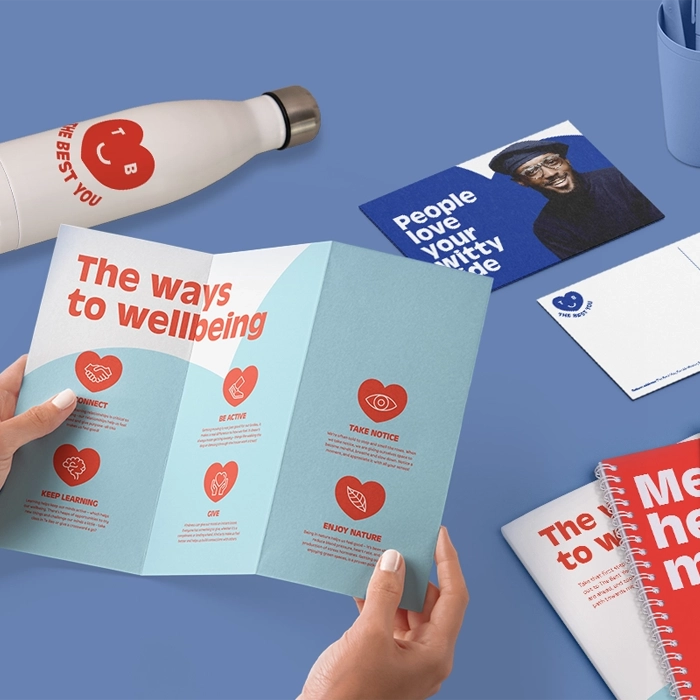
If you’re ordering business cards, loyalty cards, or presentation covers, spend the extra few pence on soft-touch lamination. It feels velvety and matte to the touch, and it instantly elevates a standard card into something people fiddle with and remember. I’ve handed out business cards at networking events where the recipient literally stopped talking mid-sentence to run their thumb across the card and ask, “Ooh, who prints these?” That reaction alone is worth the small upgrade fee.
2. Metallic Foils
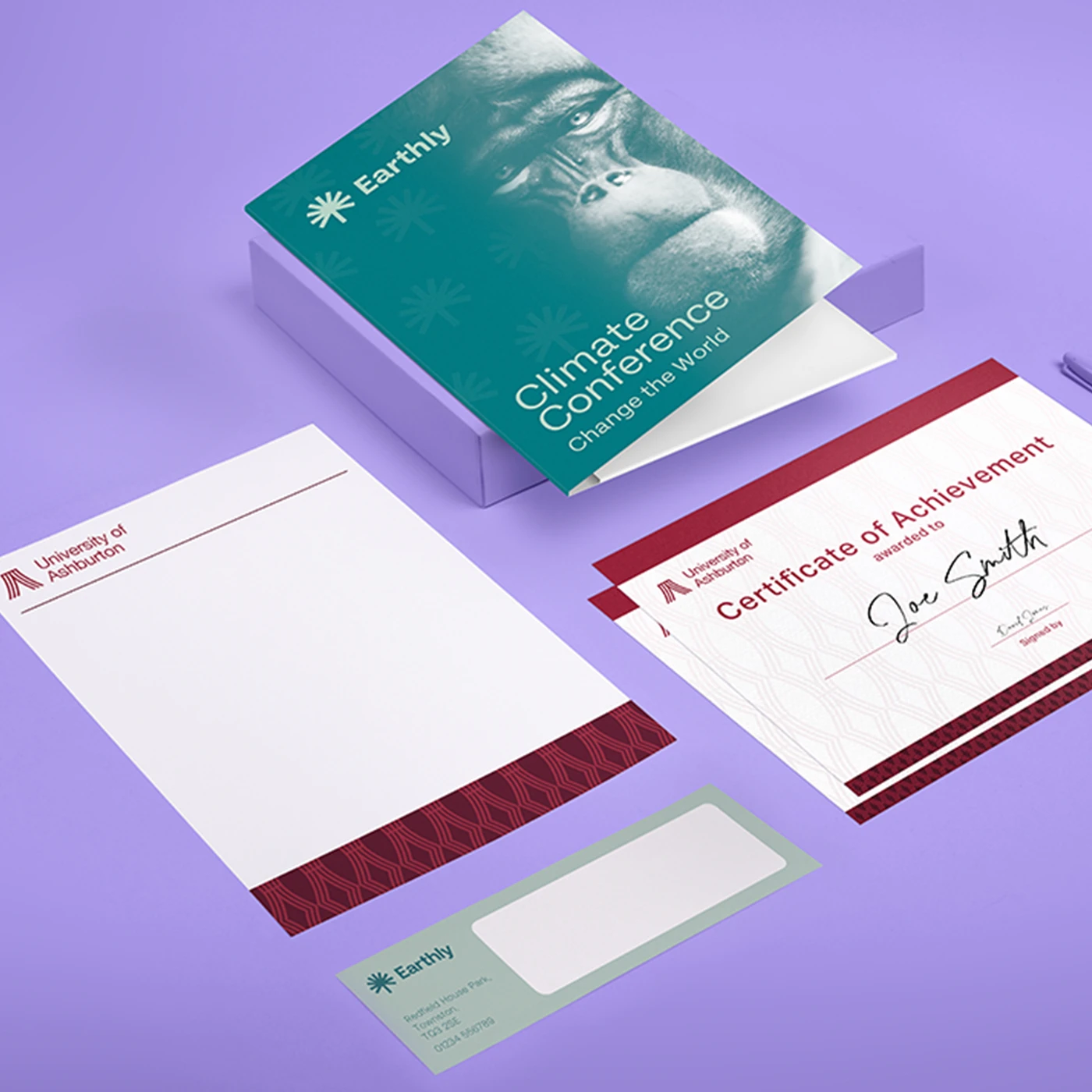
Foil stamping used to be prohibitively expensive because it required metal plates to be custom-milled for every single print run. Digital foil printing has changed the game, and the results on wedding stationery and festive greeting cards look stunning. Just make sure your design file has the foil layer separated correctly as a vector mask. The alignment is usually spot-on, though I wouldn’t recommend putting ultra-fine hairline text in foil because it can occasionally fill in slightly.
3. Standard Silk vs. Uncoated Papers
For everyday flyers or information leaflets, standard silk stock is great. It holds ink cleanly with a slight sheen. But if you’re doing brand collateral, menus, or stationery where people will be writing on the paper with a pen, always choose an uncoated stock (like Tintoretto Gesso or Knight). Coated papers repel ballpoint ink, leading to messy, smudged notes—a lesson I learned the hard way on some workshop notebooks!
“As an event planner, timelines are everything. I’ve used them for rushed client menus and seating charts when plans changed at the last minute, and their express turnaround has saved my skin more than once.”
— Marcus L., Edinburgh
Customer Service and Problem Resolution
No printing service is completely infallible. Across dozens of orders over the years, I’ve had exactly two issues: one parcel that took an extra day due to a courier delay in the northeast, and one batch of swing tags where the hole-punch placement was slightly closer to the edge than intended.
How a company handles mistakes tells you everything you need to know about them. In both instances, I used their online support chat. I didn’t get stuck in an endless loop with a frustrating AI chatbot; I was connected to a human being within minutes.
For the swing tags, I uploaded a couple of quick photos showing the issue, and their support team reprinted the entire batch and dispatched them via next-day delivery with zero hassle or bureaucratic arguing. That level of accountability builds immense brand loyalty. When you spend your own money, knowing the company will stand by their product if something goes sideways gives you genuine peace of mind.
Pricing and Value for Money
Let’s address the elephant in the room: are they the cheapest printer in the UK? No, absolutely not. If you are looking for the absolute rock-bottom, ultra-budget flyers to scatter on a random street corner, you can probably find cheaper alternatives online.
However, cheap printing usually looks cheap. Flimsy paper, faded CMYK printing, and skewed cuts end up costing you more in the long run because you feel embarrassed handing them out or displaying them.
Their pricing sits comfortably in the mid-to-high tier, but the value lies in consistency and quality control. Plus, they run regular promotional discounts, seasonal sales, and have a loyalty perks system for frequent buyers. If you order regularly, signing up for their trade accounts or loyalty tiers brings the unit costs down significantly.
Sustainability and Eco-Friendly Options
A growing priority for my business—and for many of my customers—is environmental impact. Consumers are becoming increasingly critical of excessive plastic packaging and non-recyclable paper waste.
I’ve been pleased to see the platform expand their eco-friendly ranges. They offer carbon-neutral paper stocks, FSC-certified boards (meaning the paper comes from responsibly managed forests where trees are replanted), and recyclable packaging options.
When my boxes arrive, they are overwhelmingly packaged in cardboard and paper tape rather than swathes of single-use plastic bubble wrap. It’s a small detail, but it makes a big difference when you’re unboxing shipments in front of eco-conscious clients or unpacking retail stock.
“Finding sustainable packaging inserts that actually look professional was surprisingly difficult until I found this site. Their recycled kraft stocks look gorgeous and earthy without feeling cheap.”
— Chloe W., Bristol
Pros and Cons: Breaking It Down Objectively
To help you decide whether they are the right fit for your specific project, here is my balanced breakdown of the pros and cons based on years of personal use:
The Pros:
- Exceptional Quality Control: Colors are vibrant and consistently match expectations across different orders.
- Massive Paper Variety: From budget flyers to ultra-luxury textured cotton and heavy duplex boards.
- Reliable Turnaround Times: Standard delivery is prompt, and express options genuinely deliver when you are up against a tight deadline.
- Human Support: Responsive UK-based customer service that resolves issues quickly without fuss.
- Helpful Resources: Clear templates, bleed guides, and file-checking tools that prevent common design mistakes.
The Cons:
- Not the Absolute Cheapest: Budget-focused users might find slightly cheaper alternatives elsewhere (though quality will likely suffer).
- File Setup Learning Curve: If you’re completely new to graphic design, getting bleeds, margins, and foil masks set up correctly in professional design software takes a little practice.
- Shipping Surcharges: Deliveries to remote parts of the UK or offshore islands can sometimes take an extra day or incur higher courier fees.
“I’ve switched all my salon marketing materials over to them. The loyalty discounts for regular buyers make the premium paper stocks much more affordable for a small high street business.”
— Gemma R., Manchester
Final Verdict: Should You Use Them?
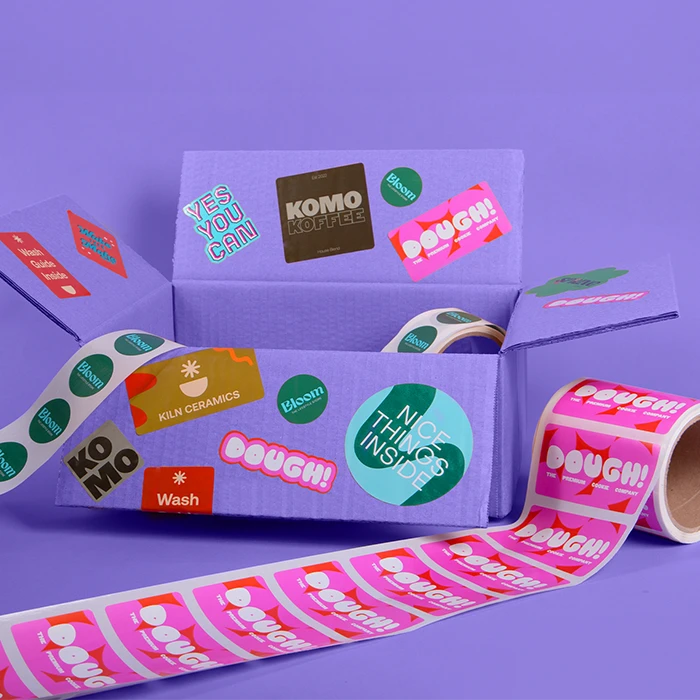
If you’ve read this far, you can probably tell that I’m a fan. Out of all the printing suppliers I’ve tested and discarded over the years, this is the one I keep coming back to. Whether I’m ordering a tiny run of custom stickers or hundreds of marketing brochures for an upcoming pop-up shop, the results give me confidence.
If you value reliable turnaround times, exceptional paper stocks that make your work look professional, and customer service that actually cares when things go wrong, they are well worth trying out.
My biggest tip for your first order? Don’t skip the sample pack. Spend a couple of pounds, feel the papers in your own hands, and test out how your designs look on different textures. Once you find your favorite stock, you’ll likely stick with them just like I did.
Ready to upgrade your stationery, art prints, or business marketing materials? Head over to Visit Official Website Now and order a sample pack to see the quality for yourself!