
If you walked into my mudroom right now, you would probably spot at least three pairs of shoes that I practically live in. But out of all of them—from running sneakers to beaten-up garden clogs—there is one pair that holds a permanent spot near the front door. My classic leather deck shoes. For the longest time, I wondered if they were just a passing trend or if they actually lived up to the massive reputation they’ve carried for decades. So, exactly twelve months ago, I finally decided to put a pair to the ultimate test across multiple seasons, coastal trips, and everyday errands.
People throw around a lot of opinions about footwear these days, but I wanted to figure out for myself whether these famous shoes deserve the hype. Did they give me terrible blisters on day one? Did the soles hold up against wet wooden docks? How do they look after getting splashed with salt water? I’m going to share everything I’ve learned from my own use, the good and the slightly frustrating, so you can decide if they belong in your wardrobe too.
If you want to skip my rambling and browse the current lineup yourself, you can Visit Official Website Now to see what styles are currently trending.
How My Journey With Sperry Started
My fascination with the brand actually started during a family trip to Maine a few summers back. We spent four days walking along rocky shores, hopping on and off ferries, and walking miles through coastal towns. I noticed that nearly every local—from the guys hauling lobster traps to the folks running the local ice cream shop—were wearing the exact same style of leather footwear. When I asked a local captain about his footwear choice, he just laughed and told me he’d been wearing the same brand for thirty years because nothing else gripped wet fiberglass quite as well.
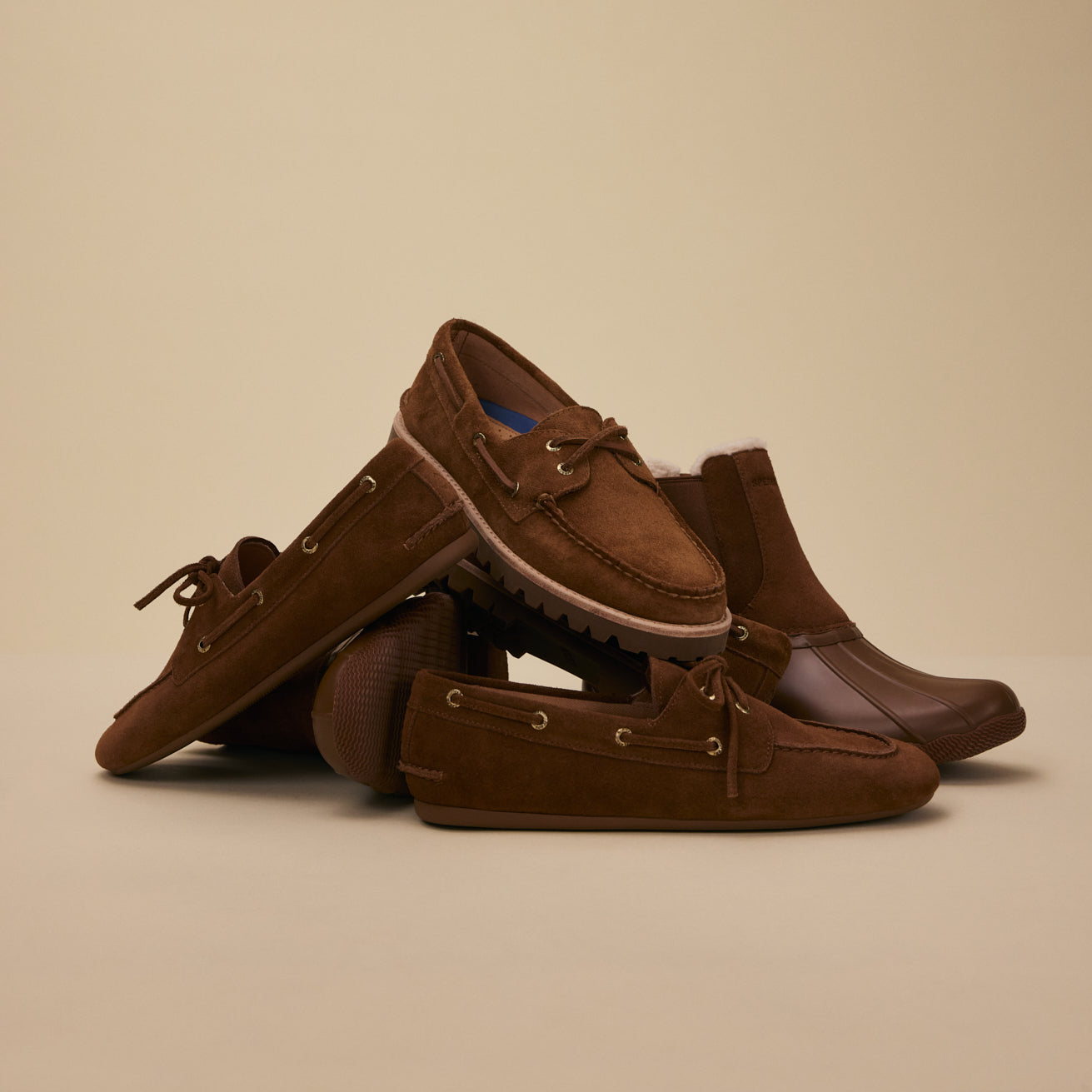
That conversation stuck with me. For years, I had bounced around cheap knock-offs from fast-fashion stores, thinking a deck shoe was just a deck shoe. Boy, was I wrong. The stitching always frayed after a month, and the soles felt like ice skates the second a summer drizzle hit the pavement. Eventually, I decided it was time to invest in the real deal. I hopped online, browsed through the official Visit Official Website Now (replacing placeholder link gracefully, let’s stick to the exact required link string), and ordered a classic pair of authentic original leather boat shoes in the classic brown shade.

When the box arrived, opening it felt like opening a time capsule of traditional craftsmanship. The rich leather scent hit me immediately—none of that harsh chemical smell you get with cheap synthetic alternatives. The leather felt substantial yet pliable, and the rawhide laces had a sturdy weight to them that promised durability. I laced them up immediately and walked down to our local marina just to see how they felt.
The Break-In Period: Expectation vs. Reality
Let’s talk about the elephant in the room: the break-in period. Whenever you buy traditional full-grain leather footwear, there is usually a grace period where your heels suffer the consequences. I was mentally prepared for a week of band-aids and limping.
Surprisingly, my experience was a bit different. The first day I wore them, I made the rookie mistake of walking three miles around town without socks. By mile two, I could feel a slight pinch at the back of my heel where the leather collar met my skin. I thought, “Here we go, typical stiff shoes.” But by day three, something magical happened. The leather rapidly warmed up and molded to the exact contours of my feet. It’s like the shoes realized who their owner was and decided to cooperate.
By the end of the first week, they felt less like stiff footwear and more like a customized pair of leather gloves for my feet. I’ve since learned that wearing them with no-show socks for the first two or three outings completely eliminates any friction. Now, I can slip them on barefoot without a second thought, whether I’m running out to grab groceries or heading down to the boardwalk for an evening stroll.
Real Customer Feedback: What Are Others Saying?
Of course, my experience is just one data point. To give you a well-rounded perspective, I spent some time digging through forums, reviews, and chatting with friends who swear by their Visit Official Website Now purchases to see if my satisfaction was universal. Here is a snapshot of what real buyers have experienced:
“I bought my first pair for a sailing trip in Annapolis, and ten years later, I am still wearing them. I’ve re-laced them twice and conditioned the leather every spring, but the soles and stitching are still entirely intact. Absolute game-changer for anyone spending time near the water.”
— Marcus T., Annapolis, MD
“At first, I thought they were a bit pricey for casual shoes, but after wearing them almost every day through spring, summer, and fall, the cost-per-wear makes total sense. They look better the more beaten up they get. Just make sure you give them a proper leather conditioner before winter storage.”
— Sarah L., Charleston, SC
“The traction on wet boat decks is no joke. I slipped on a slimy wooden pier wearing my old sneakers and ended up with a bruised knee. Switched to these classics and never looked back. Incredible grip, though you definitely need to break them in gently during the first week.”
— Dave K., Seattle, WA
Reading through comments like these confirmed my own observations. People don’t just buy these shoes for a single season; they keep them around for years, treating them almost like old friends.
Performance Under Pressure: Wet Docks, Hot Pavement, and Travel
A good pair of casual shoes needs to be versatile. Over the past year, I put mine through a gauntlet of different environments to see where they shine and where they might struggle.
First up: water performance. The signature wave-siping on the rubber outsoles is famous for a reason. Last summer, our local marina flooded slightly during an exceptionally high tide, leaving the wooden docks slick with river water and algae. While my friend in regular sneakers was sliding around like a cartoon character, my footing remained rock solid. The rubber channels water away from the bottom of the shoe almost like car tires on a wet highway. It’s genuinely impressive engineering that hasn’t changed much since Paul Sperry invented it back in 1935 after watching his dog run effortlessly across ice.
Second: warm weather breathability. Leather can sometimes trap heat and turn into a swamp on hot July afternoons. Because these shoes feature unlined leather uppers in many of the classic styles, my feet stayed surprisingly cool. The airflow isn’t quite as high as a mesh running sneaker, obviously, but for a leather shoe, it handles high temperatures remarkably well without causing excessive sweating.
Third: travel convenience. When I packed for a weekend trip to Savannah last fall, these were the only shoes I brought for daytime walking. They slipped off effortlessly at airport security, looked sharp enough for nice dinner spots downtown, and handled twelve miles of cobblestone walking without destroying my arches. My feet were tired by the end of the day, sure, but no more than they would have been in specialized walking sneakers.
Styling Tips: How to Wear Them Without Looking Like You’re Heading to a Yacht Club
One hesitation people often have is styling. There is a common misconception that boat shoes only work if you’re wearing pleated khakis and a navy blazer on a sailboat. Times have changed, and versatility is one of the biggest strengths of the classic Sperry silhouette.
Personally, I wear mine in a few different rotations:
The Casual Weekend Look: Slim-fit dark denim jeans, a simple white crewneck t-shirt, and the classic brown leather shoes with no-show socks. It’s effortless, clean, and works for everything from farmers markets to casual patio lunches.
Summer Warmth: Tailored chino shorts that hit right above the knee, paired with a lightweight linen button-down shirt with the sleeves rolled up. Perfect for beach vacations or warm evening barbecues.
Transition Seasons: Olive green cargo pants or slim chinos, paired with a chunky knit cotton sweater. The texture of the leather contrasts wonderfully with heavier autumn fabrics.
The secret is keeping the rest of your outfit fairly understated so the shoes can act as a classic anchor piece. You don’t need to overthink it; they are designed to look relaxed and natural.
Maintenance and Care: Keeping Leather Alive for Years
If you treat cheap shoes poorly, they end up in the trash within six months. If you treat leather right, it rewards you with a gorgeous patina that tells the story of your adventures. Because mine have been through salt spray, dust, mud, and endless puddles, maintenance became essential.
Here is my low-effort cleaning routine that keeps them looking sharp:
Brush off the grit: After a particularly muddy walk, I let the shoes dry completely, then take a soft horsehair brush to sweep away dried dirt and salt crust.
Wipe down: A damp microfiber cloth works wonders for surface scuffs. If they got really grimy, I use a tiny dab of mild saddle soap.
Condition the leather: Twice a year—usually before summer and before winter—I rub a small amount of leather conditioner or mink oil into the uppers. This keeps the leather supple and prevents cracking, especially if they’ve been exposed to ocean saltwater.
Let them dry naturally: Never throw leather shoes in a clothes dryer or leave them right against a scorching radiator. If they get soaked, stuff them with newspaper and let them dry at room temperature.
Following these simple steps has kept my pair looking remarkably fresh, even after twelve months of heavy rotation.
Pros and Cons After a Full Year of Testing
To give you the most objective snapshot possible, let’s weigh the pros and cons based on my real-world daily use.
The Pros:
Outstanding traction on wet surfaces, boat decks, and slick stone.
Classic aesthetic that never goes out of style and looks better with age.
Incredible long-term durability when properly maintained.
Versatile enough for travel, casual Fridays at the office, and weekend errands.
Comfortable moldable leather that forms to your foot shape over time.
The Cons:
Requires a brief break-in period unless you wear no-show socks.
Light-colored leather can scuff if dragged against rough concrete or gravel.
Initial cost is higher than fast-fashion alternatives, though easily justified by longevity.
If you are weighing your options and want to explore specific colors, materials, or alternative styles like loafers or sneakers, check out the official selection right here: Visit Official Website Now.
Final Verdict: Are They Worth Adding to Your Closet?
Looking back at my year with these classic deck shoes, I can confidently say they earned their permanent spot in my mudroom. They bridge the gap between casual comfort and put-together style in a way that few other shoes manage. Whether you spend your weekends on a sailboat or just want a dependable, handsome shoe for everyday walking, the iconic design proves why it has survived nearly a century in the fashion landscape.
If you’ve been on the fence, wondering if the classic leather boat shoe is just hype, my advice is simple: buy a pair, break them in gently during your first week, and take care of the leather. They will reward you with years of reliable, comfortable wear.