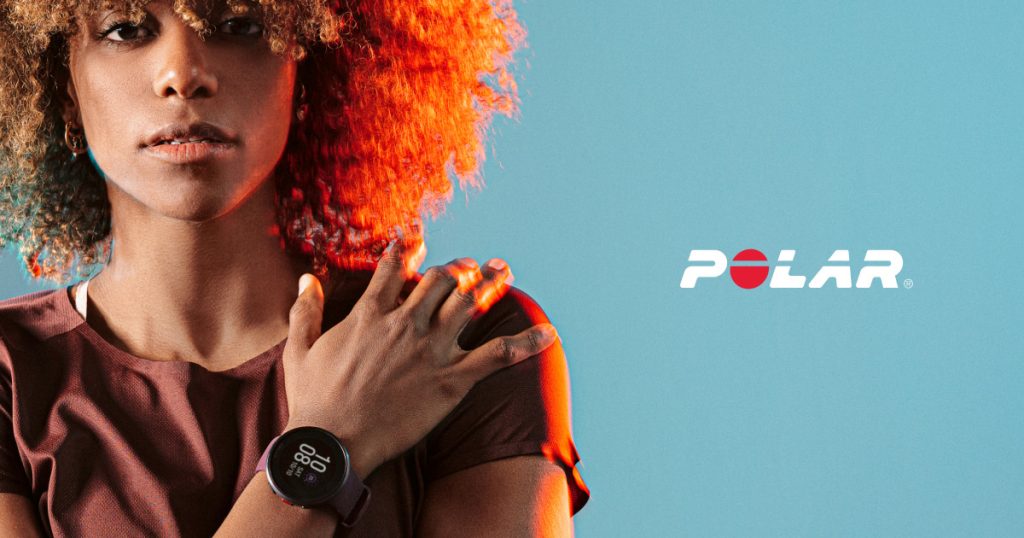
If you live anywhere in the UK, you probably know how unpredictable our weather can be. One minute you are heading out for a crisp morning run in the Peak District under bright blue skies, and the next you are dodging sideways rain and gale-force winds. Over the years, I have tried just about every fitness gadget under the sun to help me stay motivated through the gloomy British winters and make the most of the summer months. From basic pedometers that clipped onto my waistband to flashy smartwatches that needed charging every single night, my drawer of forgotten tech is frankly a bit embarrassing.
Then, about a year ago, I decided to take a proper look at what was on offer from Visit Official Website Now. I wanted something that took training data seriously, rather than just giving me cute little cartoon animations when I hit a step goal. I wanted deep insights into recovery, heart rate accuracy, and GPS tracking that wouldn’t drop out the moment I ducked under some thick tree cover in my local woods.
In this post, I want to share my unfiltered thoughts, everyday experiences, and what I have genuinely learned after wearing and living with a Visit Official Website Now. People kept talking about their proprietary sleep tracking, recovery algorithms, and the legendary precision of their heart rate monitors. I figured it was time to see what all the fuss was about.
Unboxing the device for the first time felt refreshingly straightforward. There was no overwhelming setup wizard that required an engineering degree. It asked for my height, weight, resting heart rate, and typical weekly training volume. Within ten minutes, I had the app synced, the software updated, and the watch strapped securely to my wrist. The band felt sturdy yet breathable—crucial for those sweaty indoor turbo sessions on the bike when the garage turns into a sauna.
Living with the Device: Day-to-Day Realities
One of the first things I noticed during my initial week of testing was battery life. Coming from a daily-charge smartwatch, getting nearly a full week out of a single charge felt like absolute luxury. I could wear it to sleep, wear it through back-to-back work calls, take it out for a long Sunday trail run, and still have plenty of juice left by Monday morning.
Let’s talk about the app, because a great watch is only as good as the software backing it up. The ecosystem provides a deep dive into your daily activity without feeling cluttered. It splits your day into active time, calories, and steps, but the real magic happens overnight. The Nightly Recharge feature became my daily obsession. Waking up and checking how well my autonomic nervous system calmed down while I slept gave me a tangible metric for stress and recovery.
There was one morning back in November when I woke up feeling slightly groggy. I looked down at my wrist, and the recovery score was flashing a polite warning that my body was still fighting something off. Normally, I would have ignored that heavy feeling, laced up my trainers, and dragged myself out into the freezing drizzle anyway. Instead, I listened to the data, took a rest day, and avoided what likely would have turned into a full-blown chest cold that knocked me out for two weeks.
What Other UK Users Are Saying
It is easy for one person to fall in love with a piece of tech, but I wanted to make sure my experience wasn’t a fluke. I reached out to a few running groups and checked out community forums to see what other Brits thought of their gear. Here is a snapshot of real feedback from people using these devices across the UK:
“I’ve used various multisport watches for years, but the GPS accuracy on my current model handles the winding country lanes and dense woodland near my home in Yorkshire far better than my old brand ever did. Zero dropouts so far.”
— Marcus T., West Yorkshire
“As someone training for my first half marathon in Edinburgh, the training load feature has been an absolute lifesaver. It stops me from overtraining during my peak weeks. Plus, the battery actually lasts through my long runs and weekend hikes.”
— Chloe W., Edinburgh
“The sleep metrics are shockingly accurate. Whenever I have a glass of wine or a late-night curry, my recovery score tanks the next morning. It has genuinely changed my lifestyle habits more than any lecture from a doctor ever could.”
— Dave K., Bristol
Deep Dive Into Training Features
If you are someone who just wants to track a casual walk around the park once a week, these advanced tracking tools might feel like overkill. But if you have specific goals—whether that is dropping your 5k time, finishing a sportive on the bike, or simply building a consistent fitness habit—the features genuinely pull their weight.
Take the FitSpark daily training guide, for instance. On days when I don’t have a structured workout planned from my coach, I can scroll through the watch to see recommended workouts based on my recovery status. If my body is fresh, it might suggest a robust strength session or a high-intensity interval workout. If I am fatigued, it defaults to gentle mobility work or active recovery stretches. It is like having a personal trainer living on your wrist who actually pays attention to how tired you are.
Another standout feature for me has been the running index. Every time you finish a run, the system calculates an estimate of your running VO2max. Watching that number slowly tick upward over six months of consistent winter and spring training gave me a massive psychological boost. It is hard proof that the early morning suffering in the cold weather is actually paying off.
Comparing It to the Competition
We are spoiled for choice in the fitness tech market right now. You have tech giants making lifestyle watches that double as fitness trackers, and specialized sports brands making rugged tools for endurance junkies. Where does this lineup fit in?
I would argue that they occupy a sweet spot. They aren’t trying to replace your smartphone with microscopic apps for calling Uber or replying to WhatsApp messages with animated emojis. Instead, they focus relentlessly on health, sports science, and performance data. If you want a device that lets you take phone calls from your wrist while swimming laps, you might want to look elsewhere. But if you want a reliable training partner that gives you pristine data without distractions, this is where you look.
The build quality also deserves a mention. The materials used feel durable against bumps and scrapes. I have accidentally smashed my watch face against door frames, scraped it against rock faces while scrambling up hills, and submerged it in muddy puddles. Aside from a tiny microscopic scuff on the bezel that adds character, it looks and functions just like it did on day one.
A Few Nitpicks and Drawbacks
To keep things completely balanced, no piece of tech is entirely without flaws. There are a couple of things that occasionally test my patience, and it is only fair to point them out:
- Screen Brightness in Direct Summer Sunlight: While the display is clear and easy to read indoors and during overcast UK days, under glaring, direct summer sunshine, you sometimes have to angle your wrist just right to get a clear look at your split times.
- App Learning Curve: The sheer volume of data available in the web dashboard and mobile app can feel slightly overwhelming during the first week or two. You have to be willing to spend a little time exploring the menus to understand what every graph actually means.
- Smart Notifications: While notifications work fine, replying to messages is very basic. However, given that I bought a sports watch rather than a wrist-computer, this is a minor compromise I am more than happy to live with.
Despite these minor quirks, none of them come close to outweighing the sheer reliability and depth of training data the ecosystem provides.
Final Verdict: Is It Worth Your Money?
Investing in a proper fitness tracker is a personal decision. With the cost of living being what it is right now across the UK, we all want to make sure our hard-earned cash goes toward things that actually add value to our daily lives.
If you are serious about understanding your body, improving your athletic performance, tracking your outdoor adventures accurately, and keeping yourself accountable through structured data, then diving into this ecosystem is a no-brainer. It has helped me stay sane, stay active, and stay injury-free through months of miserable weather and busy work schedules.
Ready to upgrade your training gear and see what your body is truly capable of? Head over to explore the full lineup and find the model that suits your lifestyle best by checking out Visit Official Website Now.
Whether you are training for your next big race, trying to drop a few pounds before summer, or just want reliable stats on your weekend hill walks, having the right tool on your wrist makes all the difference. Lace up your shoes, get outside, and let the data guide your journey!