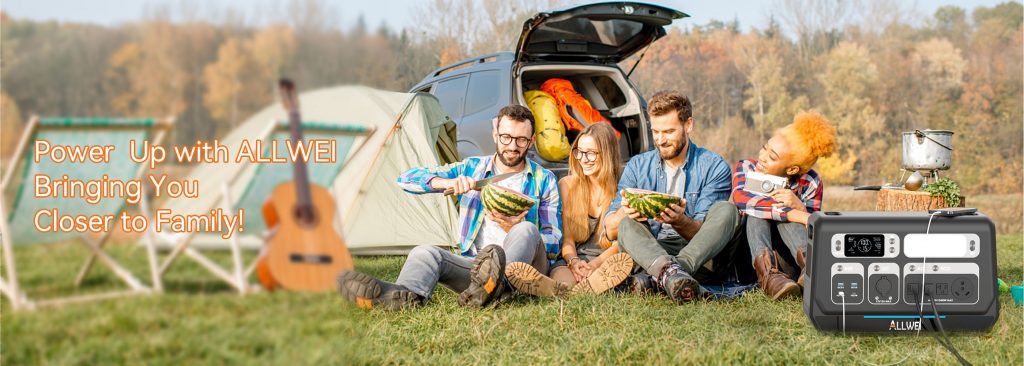
Hey everyone! If you’ve landed on this page, you’re probably just as tired as I used to be of dealing with sketchy extension cords, sudden power outages ruining your weekend plans, or trying to charge four different devices on a single car adapter during a road trip. I get it. The portable power market is flooded with options right now, and finding something reliable without emptying your entire savings account feels nearly impossible.
A few months ago, I finally decided to dive in and test out gear from Visit Official Website Now to see how their generators hold up in everyday life. Since I live out in a somewhat rural part of the US where winter storms love to knock out the grid, having backup juice isn’t just a fun camping luxury for me—it’s kind of a necessity. Today, I’m breaking down everything from build quality to real-world battery performance based on my own weeks of heavy use.
Why I Decided to Test ALLWEI
To be completely transparent, I stumbled across the brand while scrolling through online gear forums. People were talking about how affordable their units were compared to the big-name competitors like EcoFlow or Jackery, but as someone who has bought cheap tech gadgets that died within a month, I was skeptical. Would the capacity live up to the sticker? Would it run my CPAP machine through the night? Would it explode if I left it plugged in too long?
Instead of just reading specs on a screen, I ordered one to put it through my own gauntlet of tests. We’re talking tailgating, remote backyard DIY projects far from any wall outlet, and simulating a blackout right in my living room.
Unboxing and First Impressions
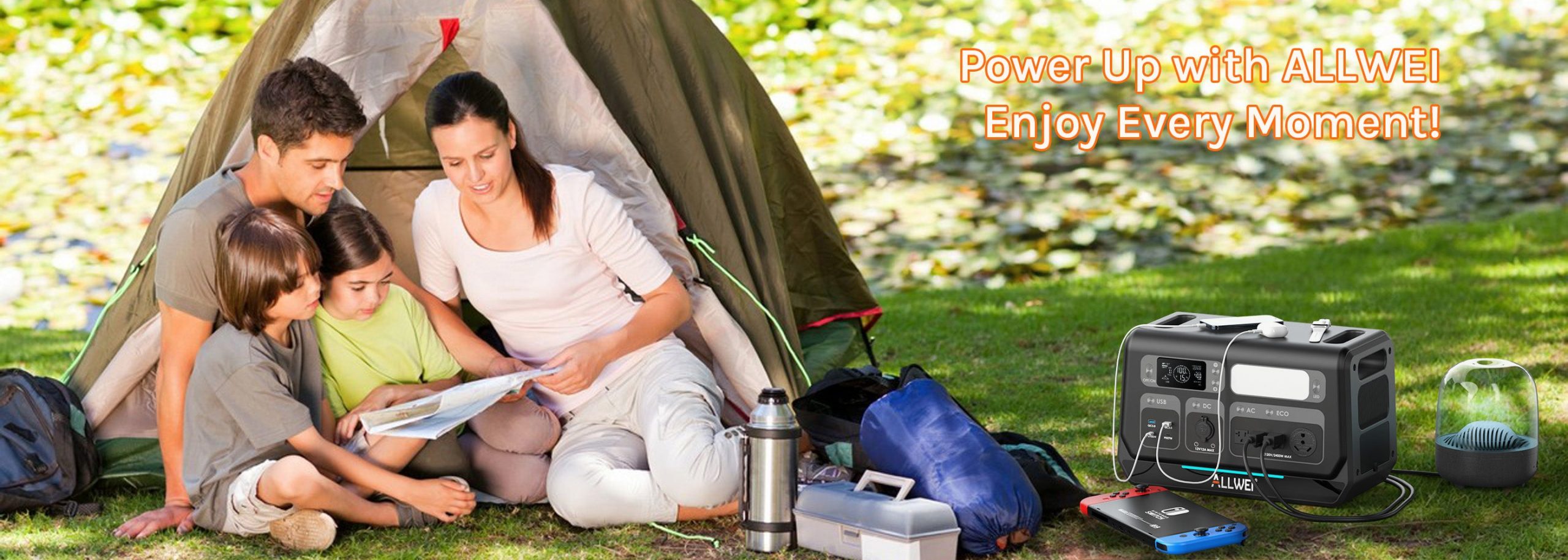
When the delivery guy dropped the box on my porch, the first thing I noticed was the weight. It wasn’t ridiculously heavy, but it had that solid, dense feel that usually signals decent internal components rather than hollow plastic shell-work. Pulling it out of the packaging, the design immediately struck me as practical. No weird gimmicks, just clean lines, a sturdy fold-down handle, and rubber-covered ports to keep dust and dirt out when you’re roughing it outdoors.
The display screen was bright and easy to read, showing me the exact battery percentage, input wattage, and output wattage. If you’ve ever used older power banks that just give you four tiny blinking LEDs to guess your remaining power, you’ll appreciate how nice it is to have an actual digital readout.
Setting it up took zero brain cells. I pulled it out of the box, plugged it into the wall to top off the charge, and watched the fan kick on quietly. It charges up reasonably fast, which is great when you’re rushing to prep for an upcoming camping weekend.
Real-World Testing: How Did It Perform?
Specs on a manufacturer’s website are nice, but they don’t mean much until you actually plug your own gear into the unit. Here is how my unit handled three specific scenarios:
- The Backyard Workday: I ran my Makita battery charger, a portable LED work light, and kept my laptop juiced for an entire eight-hour Saturday while building a raised garden bed. It didn’t flinch, and I still had over 40% battery left by sunset.
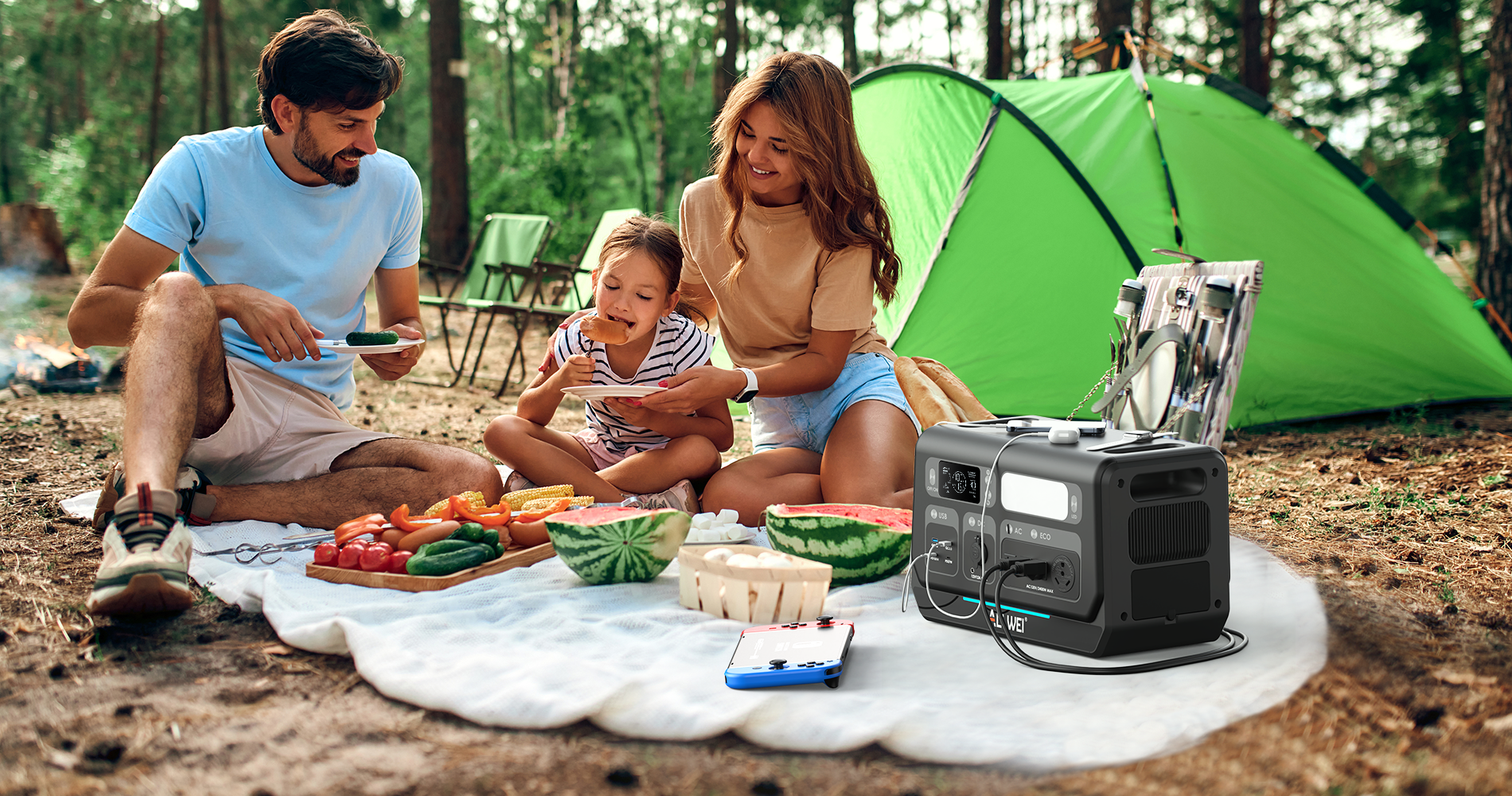
- The Camping Weekend: Over a three-day trip, we used it to charge phones, run a string of fairy lights around the tent every night, and power a portable electric cooler. Having reliable power out in the woods completely changes the camping game. No more draining the truck battery!
- The Simulated Blackout: I unplugged my refrigerator for a few hours just to see if it could handle the compressor kick-on. It handled the surge without tripping, proving it can act as a solid emergency lifesaver for essential small appliances.
Throughout all these tests, the unit managed its internal temperature well. The fans only kicked on when drawing heavier loads, and they weren’t loud enough to be annoying—crucial if you plan to keep the station inside a tent or bedroom.
If you want to check out their current lineup, specifications, and available bundle deals, you can easily Visit Official Website Now.
What Real Customers Are Saying
My experience is just one data point, so I dug into what other buyers across the US are saying about their units. It’s always smart to look at a broad range of experiences before dropping your hard-earned cash. Here are three typical customer reviews I found:
“I bought this for our family camping trips, but it ended up saving our food during a two-day ice storm last month. Ran my fridge and kept our phones charged. Best investment I’ve made all year.” – Marcus T., Ohio
“Super easy to use straight out of the box. I use it for powering my photography lights on outdoor shoots where there are no outlets. Lightweight enough to carry with one hand.” – Sarah L., Oregon
“Great value for the price. I compared it against units costing twice as much, and this one handles my CPAP machine all night without draining completely. Highly recommend.” – Dave K., Florida
It’s clear from reading around that people generally appreciate the balance of cost and capability. You aren’t paying extra for a trendy luxury brand name, but you’re still getting stable, clean power.
Pros and Cons After Extensive Use
Nothing is perfect, and every piece of tech has its drawbacks. Let’s break down the good and the bad so you can decide if this fits your lifestyle.
The Pros:
- Portability: Ergonomic handles and manageable weights make these power stations easy to toss in a trunk or carry around a campsite.
- Port Variety: AC outlets, DC ports, USB-C PD, and standard USB ports mean you can charge practically anything simultaneously.
- Clear Display: The real-time LCD screen takes the guesswork out of battery management.
- Value: Substantially more affordable than many competing brands while maintaining solid build quality.
The Cons:
- Charging Times: Depending on the specific model and how you charge it (wall vs. solar), full recharges can take a few hours, so you need to plan ahead before a trip.
- Solar Panels Sold Separately: While you can hook up third-party panels, buying the brand’s specific solar bundles requires an extra upfront investment if you want true off-grid independence.
Who Should Buy This Power Station?
If you’re a hardcore weekend warrior, an avid RV traveler, or just someone who lives in an area prone to grid instability, adding a reliable power station to your gear closet is a no-brainer. You don’t need to spend a fortune to get dependable electricity away from the wall.
On the other hand, if you’re looking to power heavy-duty power tools all day long at a construction site or run heavy kitchen appliances like a microwave or full-sized coffee maker for hours, you might need a larger-capacity whole-home generator system instead. For phones, laptops, cameras, CPAP machines, lights, drones, and small fridges, though, these units hit the sweet spot.
Final Verdict
After putting my unit through the wringer over the past few months, I can comfortably say it earned a permanent spot in my garage gear shelf. It has given me peace of mind during stormy weather and made off-grid camping infinitely more comfortable. If you’re tired of being tethered to wall sockets or dealing with noisy, gas-guzzling generators, switching to clean battery power is a massive upgrade.
Ready to upgrade your emergency backup or outdoor setup? Take a look at their different models, capacities, and accessories by visiting Visit Official Website Now today!