Let me paint you a picture. It’s 7:45 AM on a Tuesday, and I am standing by the front door holding two backpacks, a water bottle that’s already leaking, and a shoe. Just one shoe. My seven-year-old son, Leo, is hopping on one foot near the couch trying to pull on a pair of sneakers that are literally crying for mercy. They are too tight, they smell like mystery puddle water from yesterday’s recess, and frankly, I am exhausted.
If you have kids, you know the footwear struggle is real. It feels like every three months I’m buying a new size, and half the time, the shoes fall apart before my kid even outgrows them. The soles wear down, the velcro stops sticking, or the mesh rips right where the big toe pushes through. I was so over spending money on cheap junk, but I also wasn’t ready to fork over $80 for brand-name sneakers they’d destroy in a month of playground tag.
That’s when I kept seeing **hobibear** popping up in my parent Facebook groups and Instagram feeds. Other moms and dads were raving about them, especially for kids who love being barefoot but need actual foot protection. Naturally, I was skeptical. Internet ads will promise you the moon, right? But after reading through dozens of real reviews and looking at the price tag—which was way more reasonable than what I usually pay—I decided to take the plunge. I ordered a pair for Leo and a pair for my younger daughter, Maya.
Fast forward a few months. Have they survived the playground test? Did my kids complain about blisters? Are they worth your hard-earned cash? Grab a cup of coffee, because I’m about to spill every single detail based on our actual, day-to-day use.
First Impressions Right Out of the Box
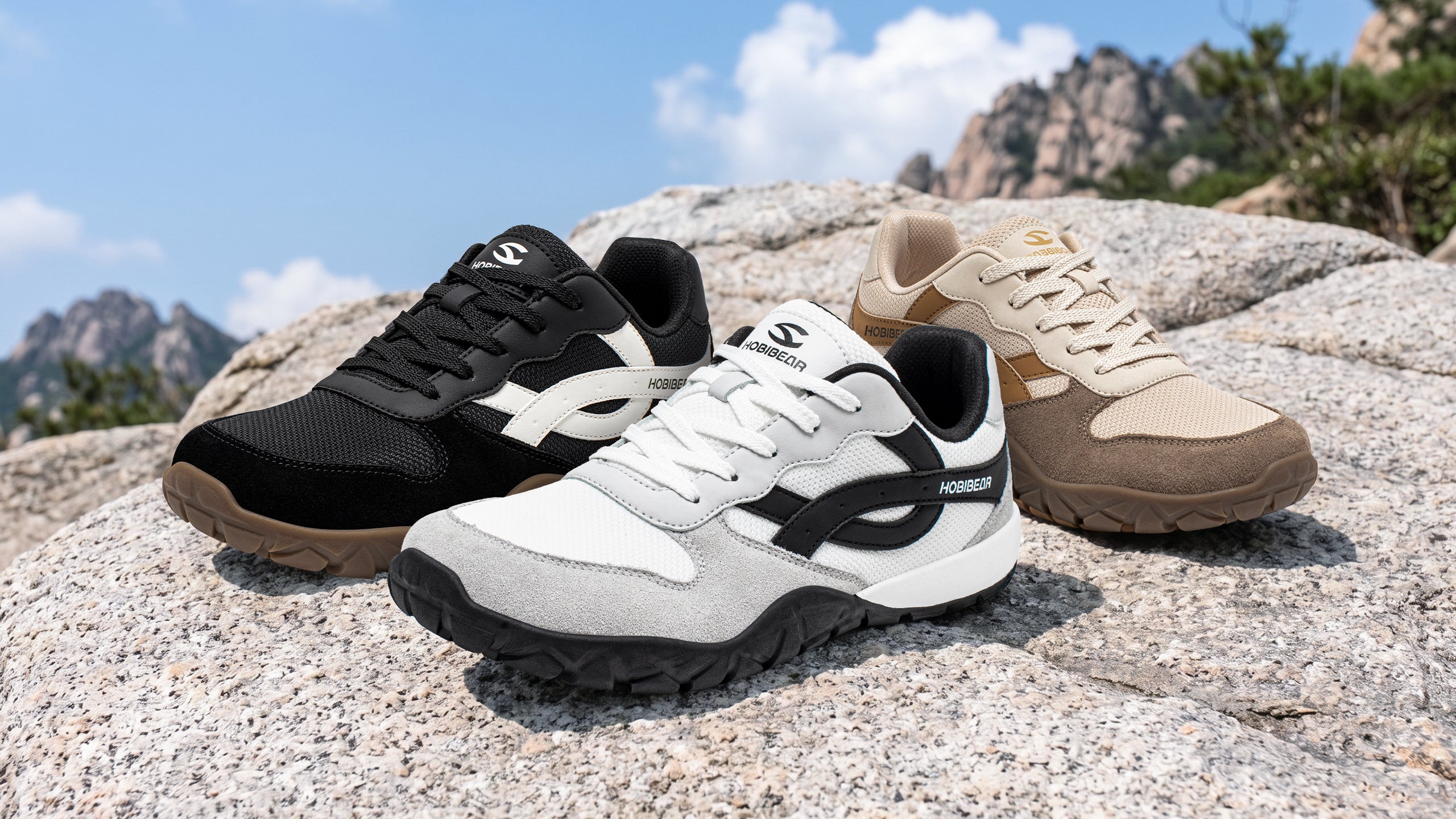
When the package arrived, the first thing I noticed was how light the box was. I actually thought the delivery driver had dropped off an empty package by mistake. But no, inside were two pairs of hobibear shoes, neatly packed and smelling distinctly of… nothing. No weird chemical factory glue smell, which is always a massive win in my book.
When I picked up Leo’s sneakers, I was genuinely shocked by how flexible they were. You can literally roll them up like a burrito. Most kids’ shoes have soles so stiff you could use them to paddle a canoe, but these felt like a second skin. The toe box was noticeably wider than traditional sneakers too. Instead of squishing their little toes together, the shape actually matches how a human foot is naturally built.
Maya, who is four and very particular about what she wears (matching colors is currently her full-time job), immediately declared her pink pair “the best shoes in the whole world” and refused to take them off for dinner. That is usually a good sign, or at least a sign of impending laundry battles.
Why Everyone Is Talking About Barefoot Shoes for Kids
Before buying, I had to do a little research on what makes this brand different. Traditional children’s shoes often have heavy, cushioned soles and narrow toe boxes. While they look cute, pediatric physical therapists have been pointing out for years that this can actually weaken foot muscles and mess with natural balance.
Hobibear focuses on the barefoot shoe concept. What does that mean in plain English? It means zero drop (meaning the heel and toe are at the same height), super thin and flexible soles so kids can actually feel the ground beneath them, and wide toe boxes that let toes spread out naturally. When kids can grip the ground with their toes, they trip less, run better, and develop stronger arches.
I didn’t think much of this until I watched Leo run across our gravel backyard. In his old, stiff sneakers, he used to stumble quite a bit because he couldn’t “feel” the uneven stones. With his new pair, his footing looked noticeably more stable. It was like watching someone take off heavy winter boots and switch to athletic gear.
If you are curious to see their current lineup and check out the different styles they offer for toddlers and older kids, you can Visit Official Website Now and take a look for yourself.
Putting Them Through Real-World Parenting Stress Tests
A shoe can look great in a product photo, but how does it hold up against a seven-year-old boy who treats every sidewalk crack like an obstacle course? Let’s break down our experience across a few key categories:
1. Durability and Playground Abuse
Kids are basically tiny wrecking balls. Leo plays soccer at recess, climbs trees, drags his toes when he rides his scooter, and runs through wet grass. After two solid months of this routine, I expected to see holes in the mesh or peeling rubber.
While the soles definitely show some scuff marks (as expected), the stitching has held together completely. The rubber toe cap reinforcement has saved the fabric from getting shredded during scooter rides. Honestly, they’ve held up better than the major sportswear brand sneakers I bought last year that cost twice as much.
2. Comfort and Ease of Putting Them On
Morning routines are stressful enough without wrestling a stubborn shoe onto a wiggly foot. Most hobibear models feature easy hook-and-loop closures or elastic laces that make independent dressing a breeze for younger kids. Maya learned how to strap hers on by herself within two days. No more screaming “Mom, my shoe is stuck!” from the hallway.
Also, zero blisters. Not a single one. Usually, new shoes require a painful break-in period where I carry band-aids in my purse just in case. These felt comfortable right out of the box because of the flexible material.
3. Breathability and Washing
Kids’ feet get sweaty. It’s just a gross biological fact. The mesh uppers on these shoes allow for great airflow, so my kids’ feet don’t smell like biohazards when they come home from school. When they inevitably stepped in deep mud after a rainstorm, I tossed them right into the washing machine on a gentle cycle, air-dried them, and they came out looking practically brand new.
What Other Parents Are Saying
Of course, my experience is just one household. To give you a broader perspective, I dug into what other real buyers have shared online about their purchases:
“I was hesitant to buy shoes online without my daughter trying them first, but these fit true to size. She wears them everywhere—school, the park, even hiking. Her physical therapist actually complimented them at her last check-up!” — Jessica M., Oregon
“My son has sensory issues and hates shoes that feel restrictive or tight. Finding footwear he would wear without a morning meltdown felt impossible until we found hobibear. The wide toe box changed everything for us.” — David K., Ohio
“Great quality for the price point. Kids outgrow shoes so fast that I refuse to spend a fortune anymore. These hold up great to mud, playground mulch, and daily wear and tear. Will definitely buy again when he sizes up.” — Sarah L., Texas
Reading through those reviews confirmed my own thoughts: parents love the value, kids love the comfort, and the foot-healthy design is a massive bonus that you don’t typically get at this price point.
Ready to upgrade your kid’s footwear rotation? You can easily browse the latest styles and find the right size by visiting Visit Official Website Now.
Pros and Cons: The Unfiltered Breakdown
No product is completely flawless. To keep this super transparent, here is my personal list of the pros and cons after months of living with these shoes:
The Pros:
- Foot-friendly design: Wide toe box and zero-drop soles support natural foot development and balance.
- Incredibly flexible: Bends effortlessly in every direction, mimicking barefoot movement while protecting against rocks and hot pavement.
- Budget-friendly: Much more affordable than specialty barefoot brands while offering comparable quality.
- Kid-independent: Easy closures mean children can put them on and take them off all by themselves.
- Machine washable: Easy to clean after muddy adventures at the park.
The Cons:
- Limited stock in popular sizes: Because word has gotten out, certain colors and sizes tend to sell out fast during back-to-school or seasonal changes.
- Transition period: If your child is used to thick, heavily cushioned orthopedic-style sneakers, it might take a day or two for their foot muscles to adjust to a minimalist sole.
- Casual aesthetic: These are definitely designed for everyday play, school, and outdoor activities—you probably aren’t putting them on your kid for a formal wedding.
Are They Right for Your Kids?
If you are tired of stiff, overpriced shoes that restrict your children’s feet and fall apart before they even outgrow them, switching to a minimalist style is definitely worth considering. My kids are happier, their feet aren’t squished, and my wallet isn’t taking a massive hit every few months.
Leo and Maya are already asking for the next size up in different colors for the upcoming season, which is probably the ultimate endorsement from two kids who usually couldn’t care less about what’s on their feet as long as they can run fast.
If you want to check out the sizing charts, see the various styles available, and grab a pair for your little ones before your preferred color sells out, make sure to Visit Official Website Now.
Have you tried minimalist or barefoot shoes for your kids yet? Drop a comment below and share your experience—I’d love to hear how your little ones liked them!
And remember, you can always check out the full collection by clicking here: Visit Official Website Now.