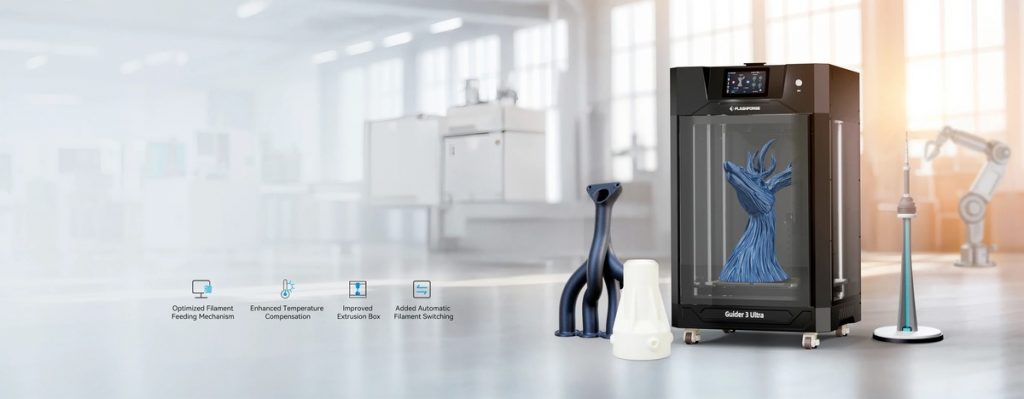
Hey there, fellow makers and aspiring creators! Let’s talk about something that’s totally revolutionized my approach to prototyping, crafting, and even just plain fun: 3D printing. If you’ve been on the fence about diving into this incredible hobby or looking to upgrade your current setup, you’ve probably stumbled across a few brand names. For me, one name consistently popped up in my research, and after much deliberation, it became the cornerstone of my little home workshop: FlashForge.
Now, before I got into 3D printing, my mental image was a bit hazy. I pictured expensive, complicated machines exclusively for engineers or industrial use. But as I delved deeper, I realized how accessible and affordable the technology had become. My goal was simple: find a reliable machine that wouldn’t break the bank, could handle a variety of projects, and wouldn’t require a Ph.D. in engineering to operate. After countless hours watching reviews, reading forum discussions, and comparing specs, I kept coming back to FlashForge. Their reputation for solid performance, user-friendliness, and a surprisingly good price point really stood out. I remember thinking, “Could it really be that good for the price?” Spoiler alert: it absolutely is.
The Grand Unboxing and First Impressions
The day my FlashForge printer arrived was like Christmas morning, but for grown-ups who love gadgets. The box was hefty, which immediately gave me a sense of confidence in its build. Unpacking it was a breeze – everything was securely foam-packed, and the quick-start guide was right on top. No searching through endless manuals! What struck me first was the build quality. The frame felt sturdy, the components looked well-assembled, and there was a noticeable attention to detail that you don’t always expect in this price range. It wasn’t some flimsy plastic toy; this was a serious piece of machinery.
Setting it up was surprisingly straightforward. I’m not a technophobe, but I’m certainly not an expert either. Following the instructions, I had the bed leveled and the filament loaded in what felt like no time at all. My initial apprehension about calibration and fiddly adjustments quickly melted away. It felt designed to get you printing as quickly as possible, and that’s exactly what happened. I remember the excitement bubbling up as I prepared for my very first print.
My first print was, as it is for many, a simple calibration cube. I watched, mesmerized, as the nozzle extruded the molten plastic, layer by perfect layer. The hum of the stepper motors, the smell of warm PLA – it was all part of the magical experience. When that little cube finally finished, sitting perfectly on the build plate, I felt an immense sense of accomplishment. It was far from flawless, but it worked! And that, for me, was the real test of the FlashForge’s beginner-friendliness. It gave me a successful first step, which is crucial for keeping new enthusiasts engaged.
Diving Deeper: What I Love About My FlashForge
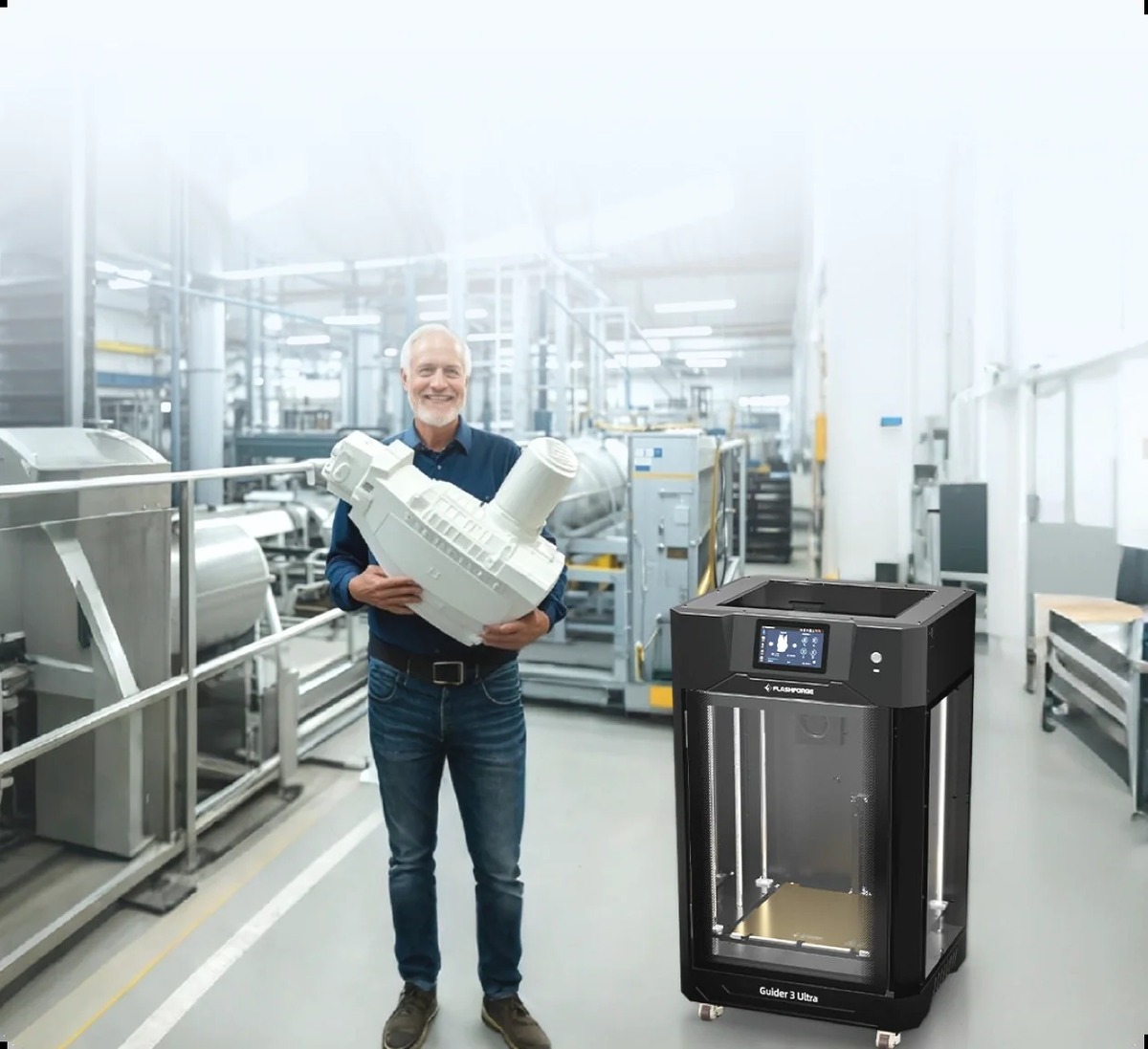
Over the months, my FlashForge has become an indispensable tool in my creative arsenal. I’ve used it for everything from practical household fixes to intricate decorative pieces, and even prototypes for personal projects. Let me tell you about some of the things that have truly impressed me.
**1. Rock-Solid Reliability:** If there’s one thing that defines my FlashForge experience, it’s reliability. It just… works. Of course, like any machine, it requires some basic care and occasional troubleshooting, but the number of times I’ve started a print and simply walked away, confident it would finish successfully, is remarkable. This is huge for me because failed prints are not only frustrating but also waste time and filament. My FlashForge has consistently delivered, print after print, often running for hours on end without a hiccup. This dependability is a game-changer when you’re working on larger projects or multiple prints.
**2. Print Quality That Surprises:** For its price point, the print quality I get from my FlashForge is genuinely impressive. Details are sharp, layer lines are minimal, and bridging and overhang capabilities are excellent, assuming you dial in your settings correctly. I’ve printed everything from highly detailed miniature figures that require fine resolution to sturdy, functional parts that need structural integrity, and the FlashForge has handled them all with grace. I’ve often shown off prints to friends who assume they came off a much more expensive machine.
**3. User-Friendly Software: FlashPrint:** A good slicer software is paramount, and FlashPrint, FlashForge’s proprietary software, is fantastic. It’s intuitive enough for beginners to quickly grasp, but also offers enough advanced settings for experienced users to fine-tune their prints. Loading models, adjusting supports, changing print settings – it’s all laid out logically. I appreciate that it’s specifically optimized for FlashForge printers, leading to a seamless workflow. I tried a few other slicers just to compare, but I always found myself coming back to FlashPrint for its ease of use and consistent results with my machine. You can really tell it was designed with the user in mind.
**4. Material Versatility:** While I mostly stick to PLA for my everyday prints, my FlashForge has proven capable of handling a wider range of filaments. I’ve successfully experimented with PETG for more durable, temperature-resistant parts, and even some flexible TPU for specific applications like phone cases and gaskets. The ability to switch between materials without extensive re-calibration or specialized upgrades is a major plus. This opens up a world of possibilities for different projects and functionalities.
**5. Enclosed Build Chamber (on many models):** Many FlashForge models come with an enclosed build chamber. This isn’t just about aesthetics; it’s a practical feature that helps maintain a stable temperature around your print. This is especially beneficial when printing with materials like ABS, which are prone to warping if they cool too quickly. The enclosure also helps reduce noise and keeps dust out, contributing to a cleaner printing environment and better print outcomes. It’s a thoughtful design choice that speaks volumes about the brand’s understanding of 3D printing needs.
My Projects: From Functional to Fantastical
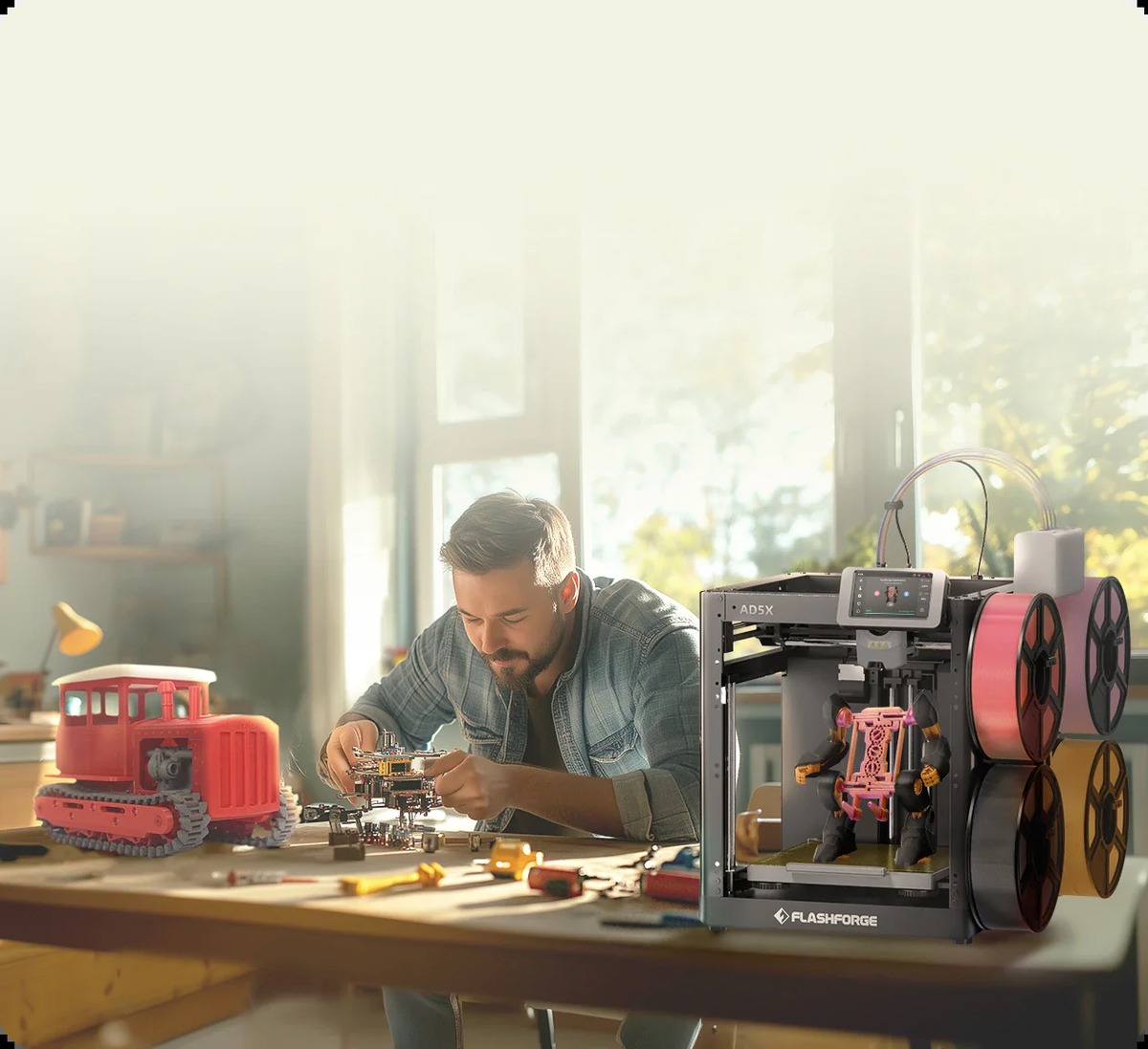
The beauty of owning a FlashForge is the sheer variety of things you can create. I’ve gone from needing a specific bracket for my home office setup – designing and printing it myself in an afternoon – to spending weekends creating intricate cosplay props for friends.
One of my favorite types of projects involves making custom organizers. My workshop drawers used to be a chaotic mess of tools and screws. Now, thanks to my FlashForge, each drawer has custom-fit inserts that keep everything neatly in its place. It’s incredibly satisfying to solve a real-world problem with something you’ve designed and made yourself.
I also love venturing into the artistic side. I’ve printed some stunning vase modes, intricate sculptures, and even custom cookie cutters for baking. The precision of the FlashForge allows for delicate details that really bring these artistic pieces to life. There’s a particular miniature castle I printed that took nearly 20 hours, but seeing the tiny turrets and brickwork come out so perfectly was an absolute joy. It’s these moments that make the investment in a FlashForge truly worthwhile.
What Others Are Saying: Customer Feedback
It’s not just me singing praises for FlashForge. I’ve lurked in countless forums and read tons of reviews, and a common theme emerges: satisfaction with value and performance. Here are a few sentiments I’ve come across that resonate with my own experience:
* “I was a complete beginner, and my FlashForge Adventurer 3 Lite made learning 3D printing genuinely fun. The community support is great, and the prints are surprisingly good for the price.” – *Mark T.*
* “After struggling with a cheaper, no-name printer, upgrading to a FlashForge Creator Pro was a revelation. It’s a workhorse! Dual extrusion works flawlessly for my soluble supports.” – *Sarah L.*
* “My FlashForge Finder has been printing reliably for over two years now. I’ve made so many little trinkets and replacement parts around the house. It’s a solid, low-maintenance machine.” – *David R.*
* “The FlashPrint software is a major selling point for me. It’s so easy to use, even for complex models, and I rarely have to fiddle with settings once I get them dialed in for a new filament.” – *Jessica P.*
These comments echo my feelings precisely. The brand seems to strike a sweet spot between ease of use, robust features, and a price that makes it accessible to a wide audience.
Navigating the Occasional Hiccup: Tips for Success
No 3D printer is completely plug-and-play forever. Like any tool, it needs a little love and attention. Over my time with FlashForge, I’ve learned a few things that have made my printing journey even smoother:
* **Bed Adhesion is Key:** If your first layer doesn’t stick, your print is doomed. I’ve found that regularly cleaning the build plate with isopropyl alcohol and occasionally using a light layer of glue stick or hairspray (depending on the filament) works wonders. And always, always make sure your bed is level! FlashForge’s auto-leveling features (on models that have them) are a godsend, but even with those, a quick manual check now and then doesn’t hurt.
* **Filament Storage Matters:** Humidity is the enemy of good filament. Keeping your spools in airtight containers with desiccant packs will prevent common issues like stringing and poor layer adhesion.
* **Don’t Be Afraid to Experiment:** The beauty of 3D printing is the ability to tweak and learn. If a print isn’t coming out perfectly, don’t be discouraged. Adjusting temperature, speed, retraction settings – these small changes can make a huge difference. The FlashForge community is incredibly supportive, and a quick search on forums often provides solutions to common problems.
* **Routine Maintenance:** Keep your printer clean. Dust can accumulate, and filament debris can cause clogs. A quick wipe-down and checking for any loose screws every few weeks can prevent bigger issues down the line. It’s like taking care of your car; a little preventative maintenance goes a long way.
If you’re ready to embark on your own 3D printing adventure, I wholeheartedly recommend checking out the FlashForge range. Their commitment to quality and user experience is evident in every print. You can explore their full line of products and find the perfect printer for your needs right here: Visit Official flash forge Website Now.
Why FlashForge Stands Out in a Crowded Market
The 3D printer market is incredibly competitive these days, with new brands and models popping up all the time. So, what makes FlashForge continue to shine? For me, it’s their consistent delivery on core promises: reliability, decent print quality, and user-friendliness, all wrapped up in an accessible package. They might not always have the absolute bleeding-edge features of some ultra-high-end machines, but they focus on perfecting the fundamentals.
This approach means that when you buy a FlashForge, you’re not just buying a piece of hardware; you’re buying into a system that’s designed to minimize frustration and maximize successful prints. Their customer support, from what I’ve experienced and heard from others, is also quite responsive, which is invaluable when you’re dealing with a technical hobby like 3D printing. They’ve built a solid reputation for a reason, and it’s because they consistently provide a great experience. Whether you’re making your first steps into 3D printing or looking for a dependable workhorse to add to your existing setup, FlashForge offers options that cater to a wide range of needs and budgets.
Who is a FlashForge Printer For?
Based on my experience, a FlashForge printer is a fantastic choice for:
* **Beginners:** If you’re new to 3D printing and want a machine that won’t overwhelm you with complexity, FlashForge is an excellent starting point. The ease of setup, intuitive software, and reliable performance make the learning curve much gentler.
* **Hobbyists:** For those who love to tinker, create gifts, design functional parts for around the house, or delve into miniature printing, FlashForge offers the versatility and quality needed to bring ideas to life.
* **Educators:** Schools and makerspaces often look for robust, safe, and easy-to-use printers for students. FlashForge models, especially those with enclosed print chambers, fit this bill perfectly.
* **Small Businesses/Prototypers:** If you need to quickly prototype designs or produce small batches of custom items, the reliability and print quality of a FlashForge can be a real asset without the massive investment required for industrial machines.
If any of those descriptions sound like you, I truly believe you’ll be as impressed as I’ve been. Take a closer look at what they offer and start imagining what you could create! Visit Official flash forge Website Now.
My Final Thoughts and Recommendation
Looking back at my journey, choosing a FlashForge printer was one of the best decisions I made for my creative pursuits. It demystified 3D printing for me, turning what seemed like an intimidating technology into an accessible and incredibly rewarding hobby. The consistent quality, the user-friendly interface, and the sheer reliability of the machine have allowed me to focus on designing and creating, rather than constantly troubleshooting.
If you’re considering jumping into the world of 3D printing, or if you’re looking for a dependable upgrade, I really can’t recommend FlashForge enough. They offer a fantastic balance of performance, ease of use, and value that’s hard to beat in today’s market. It’s a brand that delivers on its promises, and for me, that’s everything.
Ready to start making? Head over to their official site and see for yourself the amazing machines FlashForge has to offer. Your next big project awaits! Visit Official flash forge Website Now.
Happy printing, everyone!