Hey everyone! If you’re anything like me, you’ve probably spent countless hours pondering the best way to level up your skills, especially in today’s rapidly evolving tech landscape. The traditional university path isn’t always feasible, and the sheer volume of online courses can be overwhelming. That’s where platforms like Udacity come into the picture. I wanted to share my extensive experience with Udacity, particularly focusing on their Nanodegree programs, and give you a genuine look at what it’s like to learn there. This isn’t just about reviewing a service; it’s about sharing a part of my learning journey and how it impacted my career trajectory.

What Exactly is Udacity, Anyway?
Before diving into my personal stories, let’s quickly set the stage. Udacity isn’t just another online course platform. While it started with free courses (and still offers some!), its primary focus these days is on what they call “Nanodegree programs.” Think of these as intensive, project-based curricula designed in collaboration with leading companies like Google, Amazon, and IBM. The goal? To equip you with in-demand skills for specific jobs in fields like artificial intelligence, data science, programming, autonomous systems, and more. It’s all about practical application, not just theoretical knowledge. They aim to make you job-ready, which, for me, was a massive draw.
My Journey into the World of Udacity
I remember hitting a bit of a wall in my career a few years back. I was working in a role that felt stagnant, and I could see the industry shifting. Data was becoming king, and I knew I needed to pivot or get left behind. I had tinkered with some free online courses, but they often lacked structure, depth, or the kind of hands-on application that truly sticks. I needed something robust, something that would give me a demonstrable skillset.
That’s when I stumbled upon Udacity. I spent weeks researching different Nanodegrees, poring over syllabi, and watching introductory videos. The idea of learning directly from industry experts and completing real-world projects that I could actually put in a portfolio was incredibly appealing. After much deliberation, I decided to enroll in a Data Scientist Nanodegree program. It felt like a significant investment, both in terms of time and money, but I knew it was a step I needed to take.
The enrollment process itself was straightforward. I navigated to the Visit Official udacity Website Now website, found the program, and signed up. They clearly laid out the prerequisites, which was helpful – it wasn’t a “come as you are” situation, but they offered prep courses if you needed to brush up on fundamentals. I had some basic programming experience, so I felt ready to jump in.
The learning platform itself is clean and intuitive. Each Nanodegree is broken down into modules, with video lessons, quizzes, and, most importantly, projects. The videos are usually quite digestible, often featuring multiple instructors who are experts in their fields. What truly sets Udacity apart, in my experience, is the emphasis on projects. These aren’t just small exercises; they are substantial, multi-faceted assignments that often require you to apply several concepts learned across different lessons. For my Data Scientist Nanodegree, I worked on projects ranging from building predictive models to creating interactive data visualizations and even deploying machine learning models. Each project felt like a mini-challenge from a real job scenario.
One of the most valuable aspects was the project review system. Once you submit a project, a human reviewer – usually an industry professional – provides detailed feedback. This feedback was instrumental. It wasn’t just “right or wrong”; they pointed out areas for improvement, suggested alternative approaches, and explained *why* certain things worked better than others. It felt like having a personal mentor guiding you through the practical application. This iterative feedback loop truly cemented my understanding and helped me refine my code and problem-solving skills in a way that passive learning never could.
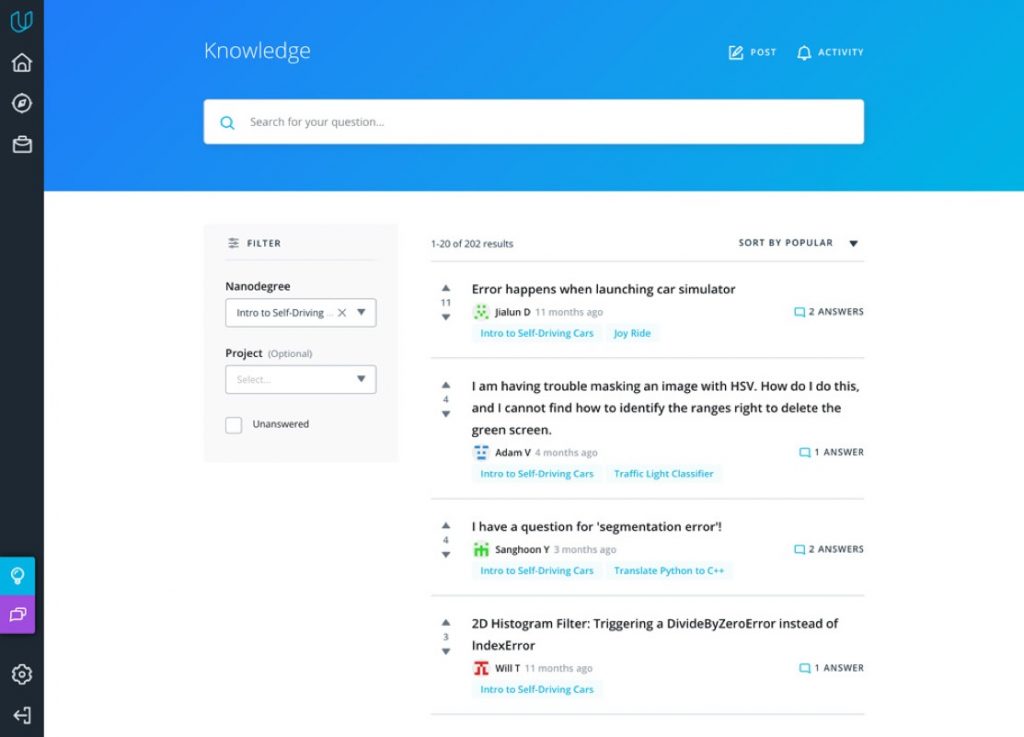
I also appreciated the flexibility. As someone working full-time, the self-paced nature was crucial. I could fit my learning around my schedule, dedicating evenings and weekends. However, this flexibility also demands a good amount of self-discipline. There are recommended timelines, but ultimately, you’re responsible for keeping yourself on track. I found that setting personal deadlines and joining the student forums helped keep me motivated. The community forums were surprisingly active and helpful; sometimes a peer’s explanation clicked better than an instructor’s, and being able to help others solidified my own knowledge.
What Really Shined for Me (The Pros)
Looking back at my time with Udacity, several things stand out as genuinely impactful:
* **Project-Based Learning is King:** I cannot stress this enough. Building things from scratch, making mistakes, getting feedback, and refining your work is how you truly learn in tech. The Udacity projects are challenging but incredibly rewarding. They give you tangible proof of your skills – something employers absolutely love to see.
* **Industry Relevance:** The curriculum is designed with industry partners, meaning you’re learning skills that are actually in demand *right now*. This isn’t outdated theory; it’s practical, modern application. My Data Scientist Nanodegree focused heavily on Python, machine learning libraries, and data visualization tools that I immediately saw being used in job descriptions.
* **Expert Instructors and Mentors:** The instructors are often engineers, researchers, or data scientists working at top tech companies. Their insights are invaluable. And the project reviewers, as mentioned, provide a level of personalized feedback that’s hard to find elsewhere.
* **Career Services:** This was a fantastic bonus. Towards the end of my program, Udacity offered career services, including resume reviews, LinkedIn profile optimization, and interview preparation. They helped me tailor my resume to highlight my new Nanodegree projects and articulate my skills effectively. This support was crucial in transitioning from learning to job searching.
* **Flexibility and Self-Paced:** While it requires discipline, the ability to learn on my own schedule was a lifesaver. It meant I didn’t have to quit my job or radically alter my life to acquire new skills.
* **Strong Community:** The student community, accessible through Slack channels and forums, was a great resource for asking questions, getting unstuck, and even networking.
Visit Official udacity Website Now
Areas for Improvement (Things to Consider)
No learning platform is perfect, and Udacity has its considerations, too:
* **Cost:** Nanodegrees are not cheap. They are a premium product, and the price tag can be a barrier for some. While I believe the value justifies the cost given the career outcomes, it’s definitely something to budget for. Financial aid or scholarship options exist, but they are not universally available.
* **Time Commitment:** While flexible, these are not short, easy courses. They demand a significant time commitment, often 10-15 hours per week for several months. If you can’t commit that time, you might struggle to keep up. It’s an investment of your time as much as your money.
* **Prerequisites Matter:** While Udacity tries to be clear about prerequisites, it’s really important to assess your own foundational knowledge. If you jump into an advanced Nanodegree without the necessary background, you might find yourself overwhelmed. Don’t underestimate the foundational courses they recommend.
* **Motivation is Key:** The self-paced nature, while a pro, can also be a con if you lack self-motivation. There aren’t strict deadlines like in a university setting, so you have to be disciplined enough to push yourself through the material and projects.

What Others Are Saying: Realistic Customer Feedback
I’m not the only one who’s gone through this journey. I’ve seen and heard similar sentiments from other Udacity students and graduates. Here are a few examples of feedback that resonate with my own experience:
* “Before Udacity, I felt stuck in an entry-level IT role. I took the Cloud Developer Nanodegree, and the projects were incredibly challenging but mirrored exactly what I’m doing now in my new job. The hands-on experience made all the difference when I interviewed. I genuinely believe it shaved years off my career progression.” – *Sarah L., Software Engineer*
* “The mentor feedback on my deep learning projects was a game-changer. It wasn’t just automated grading; a real person explained the nuances and best practices. That kind of personalized guidance is rare in online learning, and it’s where Udacity truly stands out for me.” – *Mark T., Machine Learning Engineer*
* “I appreciate the flexibility of Udacity, but you really have to be disciplined. There were weeks I fell behind on my AI Product Manager Nanodegree, and it was tough to catch up. It’s not a casual learning experience; it’s a serious commitment, and you get out what you put in.” – *Jessica P., Product Manager*
* “The cost was a consideration for my UX Designer Nanodegree, for sure. But when I landed a job a few months after graduating and saw how my Udacity portfolio helped me get my foot in the door, it felt like a worthwhile investment. The career services were a massive help in polishing my presentation.” – *David R., UX Designer*
Is Udacity Right for You?
So, after all this, the big question is: should you consider Udacity? Based on my experience and what I’ve seen, I’d say Udacity is an excellent fit for:
* **Career Changers:** If you’re looking to transition into a high-demand tech field but don’t have a traditional computer science background, Udacity provides a structured, practical pathway.
* **Upskillers:** If you’re already in tech but need to acquire specific, cutting-edge skills (like machine learning, cloud computing, or data engineering) to advance your career, their specialized Nanodegrees are incredibly effective.
* **Individuals Who Learn By Doing:** If theoretical lectures bore you and you thrive on building real projects, then Udacity’s hands-on approach will resonate deeply with you.
* **Those Seeking Industry Validation:** The Udacity brand, especially with its industry collaborations, carries weight with employers. Having a Nanodegree on your resume signals a commitment to practical, relevant learning.
It might be less ideal if you’re looking for the absolute cheapest option, or if you prefer a highly academic, theoretical approach without much emphasis on immediate practical application. Also, if you struggle with self-motivation and need constant external deadlines, you might find the self-paced nature challenging.
Udacity’s Impact on My Career
For me, the Data Scientist Nanodegree wasn’t just a learning experience; it was a career catalyst. The projects I completed became the core of my portfolio. When I started applying for data science roles, I had concrete examples to talk about, problems I had solved, and code I had written. The interview prep from Udacity’s career services gave me the confidence to articulate my new skills effectively.
Within a few months of completing my Nanodegree, I successfully transitioned into a data analyst role, and soon after, moved into a full-fledged data scientist position. The skills I gained were directly applicable, and the experience of tackling complex projects gave me a significant head start. I genuinely believe I wouldn’t be where I am today without that focused, practical training. It wasn’t just about learning algorithms; it was about learning how to *think* like a data scientist, how to approach real-world data problems.
Final Thoughts and Your Next Step
Embarking on a Udacity Nanodegree was a significant undertaking, but it proved to be one of the best investments I’ve made in my professional development. It provided the structured learning, practical experience, and career support I needed to make a meaningful pivot. If you’re serious about gaining job-ready tech skills and are willing to put in the effort, I highly recommend exploring what Udacity has to offer. Do your research, find a program that aligns with your goals, and be prepared to commit. The rewards, in my view, are absolutely worth it.
Ready to see if Udacity has the right program for you? Take a look at their offerings and start your own learning journey: Visit Official udacity Website Now