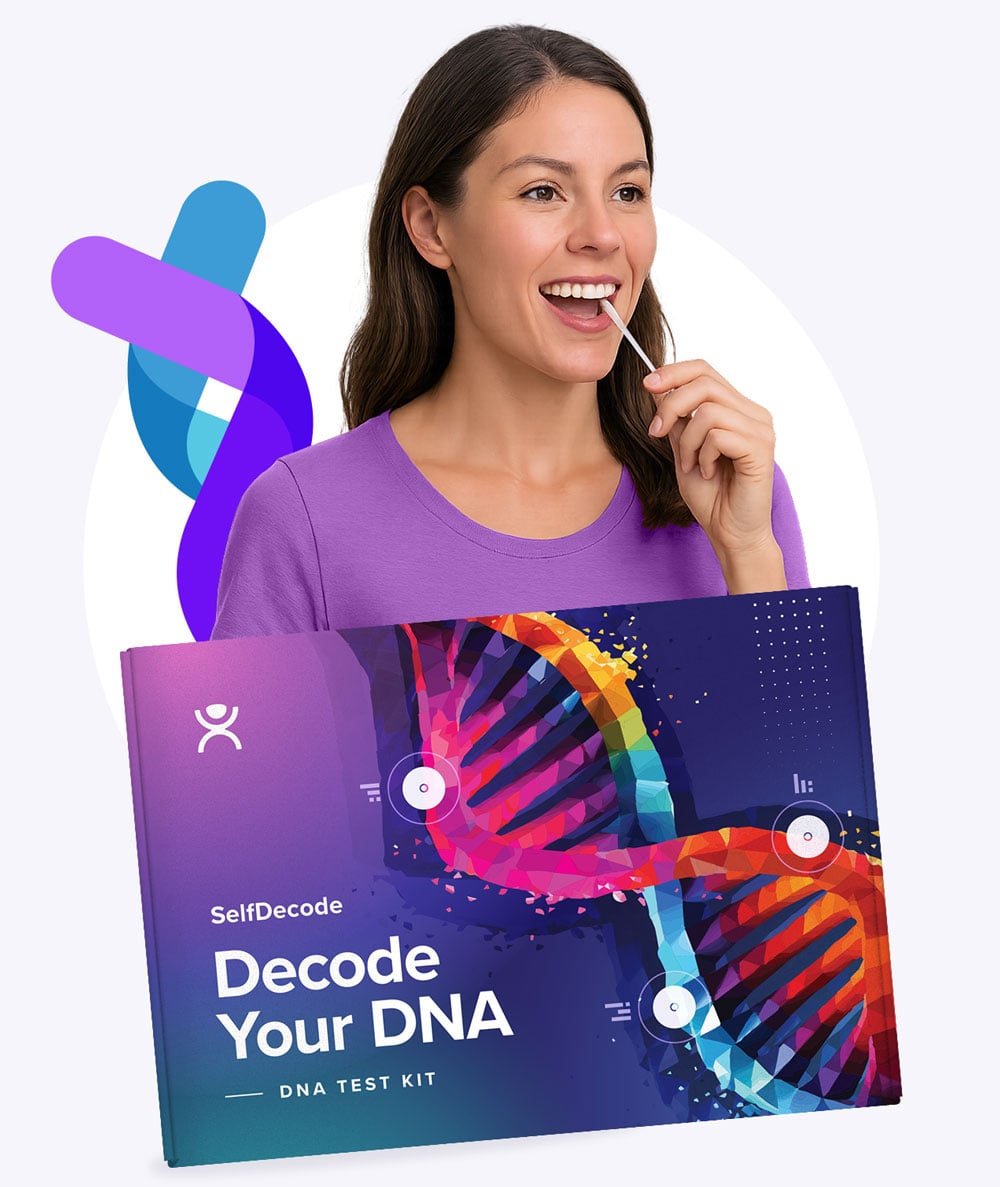
Have you ever felt like you’re doing “all the right things” for your health, but still not quite getting the results you expect? Maybe you eat clean, exercise regularly, get enough sleep – or at least try to – and yet, something feels off. That was me, for what felt like ages. I was constantly searching for that elusive edge, that one piece of information that would finally make everything click. I’ve tried countless diets, various workout routines, and a shelf full of supplements, all based on general advice or what worked for a friend. And while some things offered temporary relief, I never felt truly optimized. This persistent feeling led me down a rabbit hole of research, eventually pointing me towards personalized health, and specifically, to a platform called SelfDecode.
I’m talking about understanding your body at its most fundamental level: your DNA. It sounds a bit sci-fi, right? But the more I looked into it, the more I realized that our genetic makeup plays a huge role in how we respond to diet, exercise, stress, and even which supplements are most effective for us. So, with a mix of skepticism and hope, I decided to take the plunge into the world of SelfDecode.
What Exactly Is SelfDecode, Anyway?
Before I get into my experience, let me quickly explain what SelfDecode is for anyone who hasn’t heard of it. Essentially, it’s a personalized health platform that analyzes your DNA to provide tailored recommendations for improving your well-being. It’s not just about identifying potential health risks, but more importantly, it’s about giving you actionable insights based on your unique genetic profile to optimize things like mood, sleep, energy, weight, and even your immune system.
They take your raw DNA data (either from a kit you order from them or by uploading data you already have from services like 23andMe or AncestryDNA) and cross-reference it with a massive database of scientific studies. What you get back are incredibly detailed reports, each focused on a specific health area, telling you what genes might be influencing certain traits or predispositions, and then providing lifestyle, diet, and supplement recommendations designed specifically for *you*.
My Personal Experience: Getting Started with SelfDecode
My journey with SelfDecode began a few months ago. I already had my raw DNA data from another service, which made the onboarding process incredibly simple. I just uploaded the file, and within what felt like no time at all, my profile was set up. The anticipation was palpable. I remember thinking, “Is this finally going to give me the answers I’ve been looking for?”
The interface itself is very clean and intuitive. There’s a dashboard that summarizes key areas, and you can easily navigate to different reports. What struck me immediately was the sheer volume of information available. It’s not just a couple of pages; it’s an extensive library of reports covering everything from specific vitamin deficiencies to sleep quality to histamine intolerance.
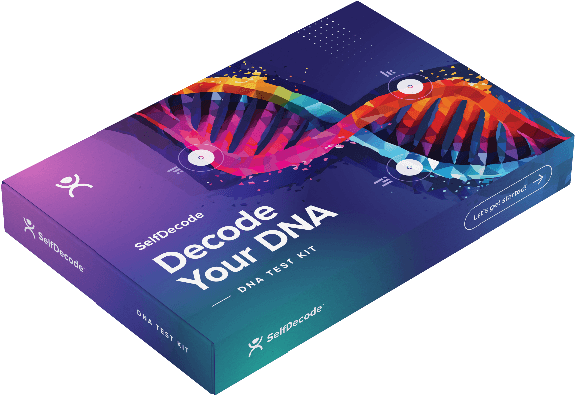
One of the first reports I dove into was “Optimal Sleep.” Sleep has always been a bit of a struggle for me – falling asleep easily, but often waking up feeling not quite refreshed. I’d tried everything from blackout curtains to cutting off caffeine after noon. The SelfDecode report immediately showed me some interesting genetic variations related to my circadian rhythm and melatonin production. It highlighted genes like PER3 and CLOCK, explaining how certain variants could influence my sleep patterns. For instance, it suggested I might be more sensitive to light exposure at night than average and could benefit from specific timing for exercise.
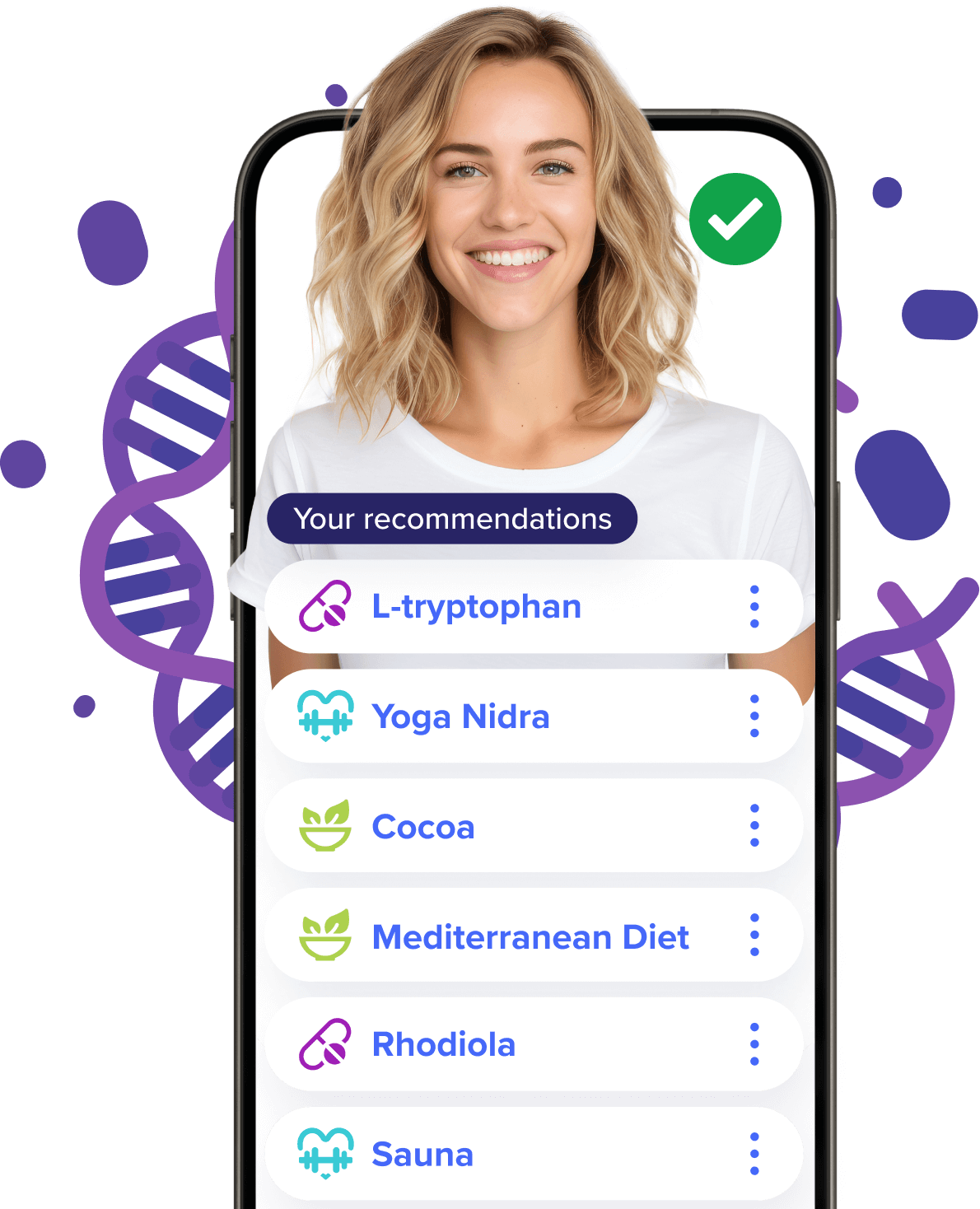
This wasn’t just vague advice. The SelfDecode recommendations were incredibly specific. It suggested particular types of magnesium, specific forms of vitamin B, and even dietary changes like increasing tryptophan-rich foods. It also gave me a detailed breakdown of optimal light exposure times and exercise windows tailored to my genetic predispositions. This was a complete revelation. Instead of a blanket recommendation, it was telling *me* what *my body* likely needed.
Diving Deep into the Reports: Unpacking the “Why”
What I truly appreciate about SelfDecode is that it doesn’t just tell you *what* to do; it explains *why*. Each recommendation is backed by links to peer-reviewed scientific studies, allowing you to dig deeper if you want to understand the science behind it. This transparency builds a lot of trust. I’m someone who likes to understand the mechanics, and SelfDecode absolutely delivers on that front.
For instance, another area I explored was my “Mood” report. I’ve always considered myself pretty even-keeled, but I sometimes experienced periods of low motivation or irritability. The SelfDecode report pointed to variations in genes involved in neurotransmitter pathways, like COMT (related to dopamine breakdown) and MTHFR (related to folate metabolism and neurotransmitter synthesis). It suggested that I might benefit from specific B vitamins (especially L-methylfolate) and certain amino acids to support healthy neurotransmitter balance.
I started incorporating some of these recommendations, particularly a methylated B-complex and increasing foods rich in folate. Over the next few weeks, I definitely noticed a subtle but significant shift. My energy felt more consistent, and those occasional dips in motivation seemed to become less frequent. It wasn’t a night-and-day transformation, but a gradual, sustained improvement that felt incredibly validating. It was like I finally had a personalized blueprint, rather than just guessing.
Key Features That Stood Out to Me
Beyond the individual reports, SelfDecode offers several features that enhance the overall experience:
* **Customizable Reports:** You can create custom reports based on your specific health goals or symptoms. This is incredibly powerful. If you’re focusing on weight management, you can pull together all relevant genetic insights into one cohesive report.
* **Lab Test Analyzer:** This is a game-changer. You can upload your blood test results, and SelfDecode will analyze them in conjunction with your genetic data, providing recommendations to optimize your levels based on your unique predispositions. It gives context to your lab results that you might not get from a standard doctor’s visit. For example, my vitamin D levels were “normal” according to the lab, but SelfDecode, knowing my genetic predisposition for lower absorption, recommended I aim for the higher end of the normal range and suggested specific cofactors for better absorption.
* **Supplement Finder:** This tool is fantastic. Based on your genetic profile and health goals, it recommends specific ingredients and even links to high-quality supplements that contain them. It takes the guesswork out of navigating the overwhelming supplement market.
* **Personalized Lifestyle Recommendations:** It’s not just about pills and powders. SelfDecode emphasizes holistic well-being, providing advice on exercise types, stress management techniques, and dietary changes that are genetically advantageous for you.
Real-World Impact and What Others Are Saying
The biggest takeaway from my own use of SelfDecode is that it empowers you with knowledge. It shifts you from a passive recipient of generic health advice to an active participant in your own well-being, equipped with a roadmap tailored just for you. It’s not a magic bullet, but it gives you a profound understanding of your body’s unique needs.
I’ve also spoken with a few others who have tried SelfDecode, and their experiences echo mine in many ways:
* *Sarah P. from Arizona shared:* “I was struggling with chronic fatigue for years, and doctors just kept telling me my labs were ‘fine.’ SelfDecode pointed out a few genetic markers related to mitochondrial function and energy production. Following their supplement and diet recommendations has slowly but surely given me more consistent energy. It’s been a game-changer for me.”
* *Mark T. in Florida commented:* “As an athlete, I thought I had my nutrition dialed in. But the SelfDecode reports on nutrient absorption and inflammation pathways completely changed how I fuel my body. I’ve noticed better recovery and less overall joint stiffness since adjusting my diet based on my genes.”
* *Jessica L. from California told me:* “I found the initial amount of information a bit overwhelming, but once I focused on one or two specific areas, it became incredibly valuable. The detailed explanations and scientific references really made me trust the recommendations. I finally feel like I’m making informed decisions about my health.”
* *David S., a busy professional in New York, said:* “I was skeptical about genetic testing for health. But SelfDecode’s insights into my stress response genes helped me implement better coping mechanisms and choose supplements that genuinely supported my nervous system. I feel much more resilient now.”
These testimonials, combined with my own positive experience, highlight the consistent value SelfDecode provides. It’s about more than just identifying problems; it’s about proactively optimizing your health based on your unique genetic blueprint.
Is SelfDecode Right For You?
If you’re someone who feels like you’ve tried everything, or if you’re simply curious about a more personalized approach to your health, then SelfDecode is definitely worth exploring. It’s particularly beneficial for:
* **Those with persistent, unexplained symptoms:** If you’re chasing answers for issues like fatigue, sleep problems, mood swings, or digestive discomfort.
* **Health optimization enthusiasts:** If you’re already health-conscious but want to fine-tune your diet, supplement regimen, and lifestyle for peak performance.
* **Anyone curious about their genetic predispositions:** If you want to understand how your genes influence various aspects of your health, from nutrient needs to disease risk factors.
It’s important to remember that SelfDecode is a tool to empower you. It provides information and recommendations, but it’s up to you to implement those changes. The platform does an excellent job of simplifying complex genetic science, but you still need to be willing to engage with the data and apply the insights to your daily life.
Things to Keep in Mind
While my experience with SelfDecode has been overwhelmingly positive, there are a couple of things to be aware of.
Firstly, as I mentioned, the amount of information can be a lot at first. It’s best to approach it by focusing on one or two key health areas that are most important to you, rather than trying to digest everything all at once. Take your time, read through the explanations, and then slowly start to integrate the recommendations.
Secondly, genetics are not destiny. SelfDecode emphasizes this, and it’s a crucial point. Your genes give you predispositions, but your lifestyle, environment, and choices play a massive role in whether those predispositions manifest. SelfDecode gives you the roadmap, but you still have to drive the car.
Finally, while SelfDecode provides incredibly detailed and scientifically backed recommendations, it’s always a good idea to discuss significant changes to your diet or supplement regimen with your healthcare provider, especially if you have existing health conditions or are on medication.
My Concluding Thoughts on SelfDecode
Looking back at my journey, SelfDecode has truly been a transformative tool for me. It moved me beyond generic health advice and into a realm of truly personalized wellness. No more guessing, no more trying every fad under the sun. Instead, I have a clear, data-driven understanding of what my body needs to thrive. The peace of mind that comes from knowing you’re making choices that are aligned with your unique genetic makeup is incredibly empowering.
If you’re ready to stop guessing and start understanding your body on a deeper level, I genuinely believe that SelfDecode offers an invaluable resource. It’s an investment in your health that pays dividends in knowledge, clarity, and ultimately, a more optimized and vibrant you.
Ready to embark on your own personalized health journey?
Visit Official Website Now and explore the possibilities that lie within your DNA.