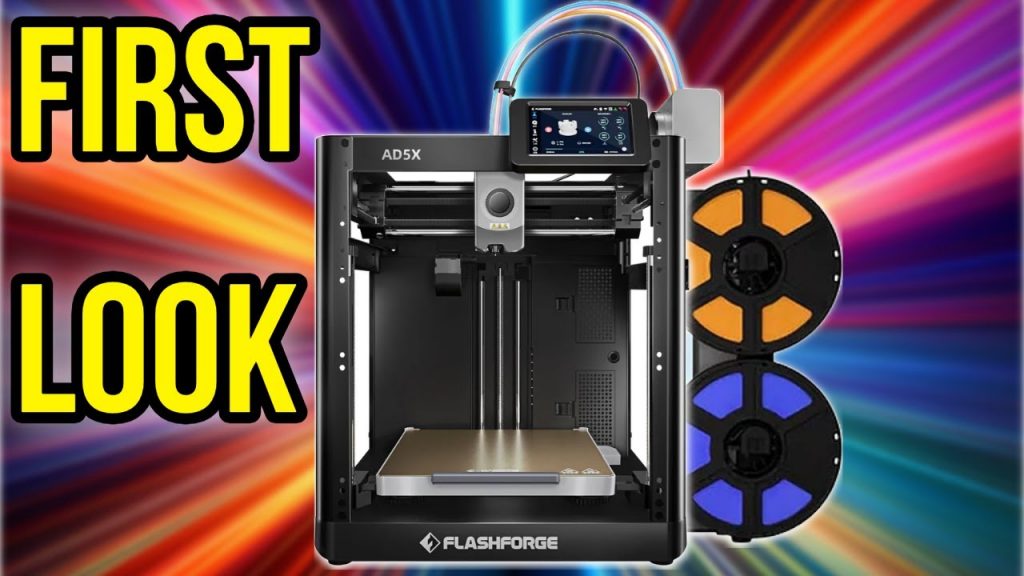
Hey everyone, thanks for stopping by! If you’re anything like me, the world of 3D printing probably captivated you from the moment you saw your first printed object. There’s something truly magical about turning a digital design into a tangible item with just a machine and some plastic. I remember feeling that initial spark of wonder, which quickly turned into a full-blown obsession. Over the years, I’ve explored various brands and models, each offering something a little different, but one name that consistently comes up in my personal workshop and conversations with other makers is **Flashforge**.
My own journey into 3D printing started a few years ago, fueled by a desire to create custom parts for my hobbies – intricate board game organizers, replacement pieces for household items, and eventually, some truly ambitious cosplay props. When I was first looking for a machine, the sheer number of options felt overwhelming. I needed something reliable, user-friendly enough for a burgeoning enthusiast, but also capable of growing with my skills. After countless hours of research, forum lurking, and watching YouTube reviews, I took the plunge with a Flashforge printer, and honestly, I haven’t looked back since.
What drew me to Flashforge initially was their reputation for solid build quality and a relatively straightforward user experience, even for someone who was still learning the ropes. My first Flashforge machine felt like a true companion in my creative adventures, patiently churning out print after print, teaching me the nuances of layer height, infill, and supports. It was a steep learning curve at times, filled with stringing, warping, and failed prints (oh, the failed prints!), but the Flashforge just kept humming along, giving me the confidence to experiment and push my boundaries.
I’ve learned so much about the intricacies of 3D printing through hands-on experience with my Flashforge machines. From fine-tuning retraction settings to understanding the importance of bed leveling, every print has been a lesson. The evolution of my skills has really mirrored the capabilities these machines offer, allowing me to tackle increasingly complex designs and achieve higher levels of detail and precision. It’s been an incredibly rewarding journey, and Flashforge has been a constant, dependable presence throughout.
If you’re curious about getting into 3D printing, or perhaps looking to upgrade your current setup, I wholeheartedly encourage you to explore what Flashforge has to offer. They truly have a printer for almost every need and skill level. For a deeper dive into their range, you can always check out their official site. Visit Official Website Now
My Personal Flashforge Experience: From Novice to Maker
My very first Flashforge printer was an Adventurer 3. It was a revelation. The unboxing was surprisingly pleasant – it felt like a well-packaged piece of tech, not a complicated kit. Setup was almost laughably simple: plug it in, load the filament, and you’re practically ready to go. Coming from no prior 3D printing experience, this ‘plug-and-play’ aspect was a massive relief. My very first print, a small calibration cube, came out flawlessly, and I still remember the thrill of holding that little plastic block in my hand. It truly felt like I had unlocked a new superpower.
I used that Adventurer 3 extensively for about a year, printing everything from replacement clips for my car interior to custom stands for my tabletop gaming miniatures. The enclosed print chamber was fantastic for maintaining consistent temperatures, which helped significantly with materials like ABS that can be a bit trickier. The quiet operation was also a huge plus, allowing me to print late into the night without disturbing anyone.
As my skills grew and my projects became more ambitious, I found myself needing a larger build volume and the ability to work with a wider range of engineering filaments. That’s when I upgraded to a Flashforge Creator Pro 2. This machine was a step up in terms of capability, offering independent dual extruders – a game-changer for printing complex parts with soluble supports or two different colors. This really opened up a new world of possibilities for me. I started designing functional prototypes for small inventions and intricate multi-part assemblies that wouldn’t have been feasible with a single extruder.
One project I’m particularly proud of was designing and printing a custom enclosure for a Raspberry Pi project I was working on. It had to fit perfectly, allow for ventilation, and look professional. With the Creator Pro 2, I was able to print the main body in one color and the intricate vents in another, using soluble supports for some really tricky overhangs. The precision and consistent quality from the Flashforge machine made all the difference. It wasn’t just about printing; it was about bringing my ideas to life with a tool I could trust.
What Makes Flashforge Stand Out?
From my perspective, several factors make Flashforge a standout in the crowded 3D printer market.
First, **user-friendliness**. Even their more advanced machines retain a level of intuitiveness that makes them accessible. Many models come fully assembled, reducing the initial headache that some kit-based printers can cause. This makes them excellent for educational settings, small businesses, or hobbyists who just want to get started without a huge learning curve.
Second, **build quality and reliability**. These machines are built like tanks. I’ve put my Flashforge printers through countless hours of operation, and they just keep going. Maintenance is relatively straightforward, and parts are generally accessible. This isn’t just my experience; I often see similar sentiments online. For example, a fellow maker in a forum shared: “My Flashforge Creator has been a workhorse for years. It just keeps going, producing high-quality prints day in and day out. Definitely worth the investment.” That pretty much sums up my feelings too.
Third, **print quality**. Across their range, Flashforge printers deliver impressive print quality for their price point. Layers are consistent, details are sharp, and their heated beds (on most models) contribute to excellent first-layer adhesion and reduced warping. Whether I’m printing functional prototypes in PETG or highly detailed miniatures in PLA, I’m consistently impressed with the output.
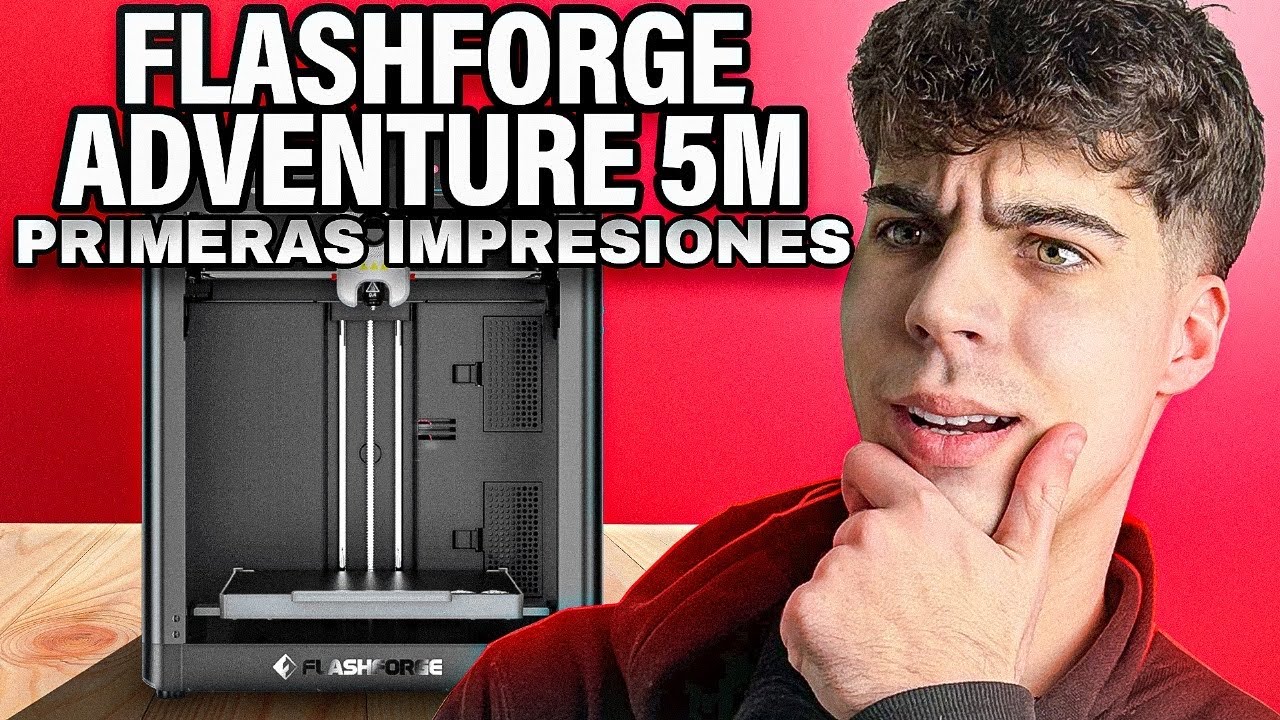
Flashforge also offers a fantastic range of machines tailored for different needs. The **Adventurer series** (like the Adventurer 3, 4, and 5M) are perfect entry-level machines, often enclosed, quiet, and very easy to operate – ideal for homes, schools, and beginners. The **Creator series** (like the Creator Pro 2, Creator 3 Pro, or Creator 4) caters to more advanced hobbyists and professionals, offering dual extrusion, larger build volumes, and compatibility with a wider array of materials. Then you have their more industrial machines like the **Guider series**, which are absolute beasts for larger projects and demanding applications.
I recently saw a review from an educator that really resonated: “As a teacher, the Flashforge Adventurer 4 has been incredible for our classroom. It’s safe, easy for students to use, and the enclosed design keeps things neat.” This highlights exactly why Flashforge is so versatile – they really do consider different user groups.
Performance and Reliability in My Workshop
Let’s talk about the nitty-gritty: performance. A 3D printer needs to do more than just turn on; it needs to consistently produce good prints. My Flashforge machines have consistently delivered on this front.
**Print Quality:** I’ve pushed my Flashforge printers to their limits, experimenting with various layer heights, infill patterns, and print speeds. From delicate parts requiring high resolution to sturdy functional components, the print quality has been remarkably consistent. Layer lines are minimal, bridging capabilities are solid, and overhangs generally come out clean, provided your slicing settings are dialed in. I’ve experimented with standard PLA, tougher PETG, flexible TPU, and even some ABS, all with good results after proper calibration. The heated build plates on many Flashforge models are a huge plus for material compatibility, ensuring good adhesion and reducing the common headache of warping.
**Consistency and Durability:** This is where Flashforge truly shines for me. A reliable 3D printer is one that you can set and forget, at least for the duration of a print. My Flashforge units have been just that. Print failures are, of course, a part of 3D printing, but with Flashforge, I’ve found them to be more often due to my own slicing errors or old filament than mechanical issues with the printer itself. The components feel robust, and after hundreds of hours of printing, the moving parts still operate smoothly. I perform regular maintenance – cleaning the build plate, checking belts, lubricating rods – and the machines continue to perform as they did on day one.
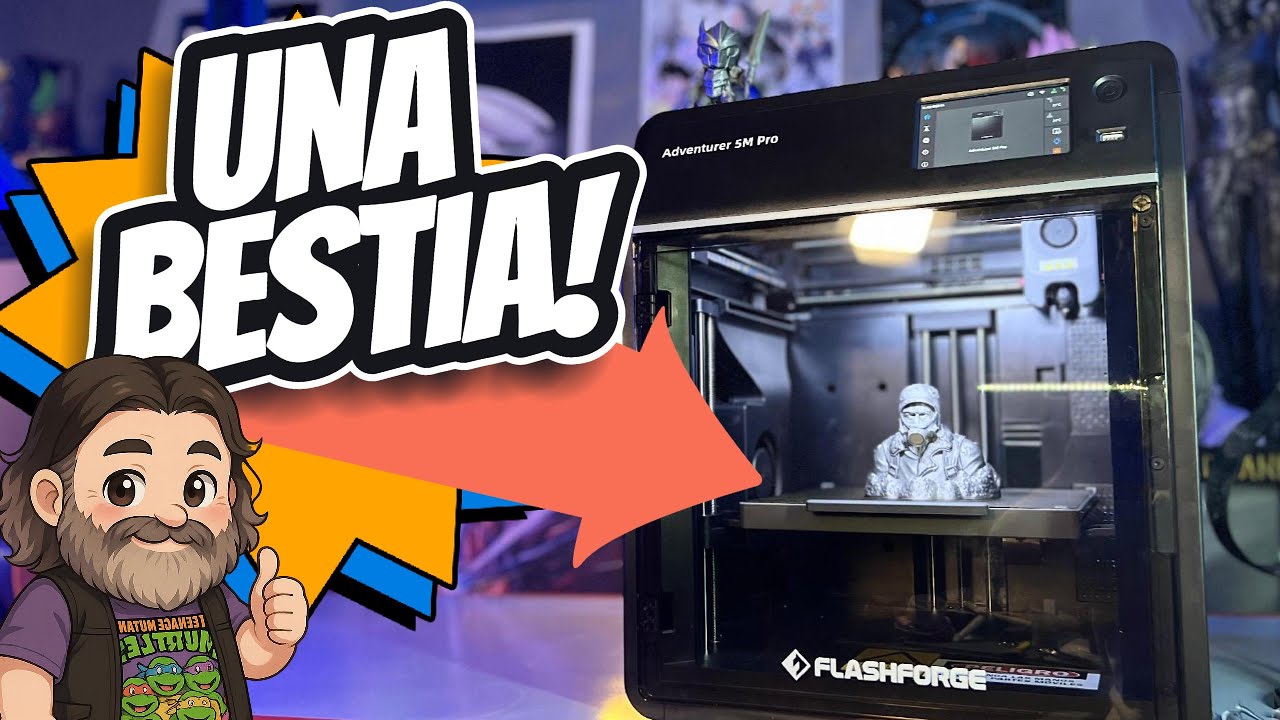
It’s this consistent performance that allows me to embark on larger, multi-day prints without constant anxiety. I recall a massive cosplay helmet print that took over 70 hours. I started it before going to bed, checked on it in the morning, and just let it do its thing. The confidence that the Flashforge wouldn’t jam or fail mid-print was invaluable.
For anyone looking for a reliable 3D printing partner, Flashforge is definitely a name to consider. You can find out more about their robust lineup and specific model features on their site. Visit Official Website Now
Community and Support
Another often-overlooked aspect of choosing a 3D printer is the community and support system around it. While I haven’t had to lean heavily on Flashforge’s official customer support (a testament to the machines’ reliability, perhaps!), the online Flashforge community is vibrant and helpful. There are active Facebook groups, forums, and subreddits where users share tips, troubleshoot issues, and showcase their amazing prints. It’s a great resource for learning new techniques or getting quick answers to questions.
Finding spare parts or common consumables like nozzles and build plates has also been quite easy, either directly from Flashforge or through third-party vendors, which is always a good sign of a well-supported brand. This ecosystem contributes to the overall positive ownership experience.
Who Should Consider a Flashforge 3D Printer?
Based on my extensive experience and what I’ve gathered from the wider 3D printing community, Flashforge printers are an excellent choice for a variety of users:
* **Beginners and Enthusiasts:** If you’re just starting out, models like the Adventurer series offer an incredibly forgiving and straightforward entry point into 3D printing. They’re often enclosed, making them safer for curious hands and better for printing a wider range of materials.
* **Educators:** Schools and educational institutions often need printers that are reliable, relatively hands-off, and safe. Flashforge’s enclosed designs and intuitive interfaces make them ideal for classroom environments.
* **Hobbyists and Makers:** For those looking to upgrade from a basic machine or expand their capabilities, the Creator series provides the flexibility and power needed for more complex projects, including multi-material printing and larger builds.
* **Small Businesses and Prototypers:** If you need to quickly prototype designs or produce small batches of functional parts, the consistent output and robust nature of Flashforge printers make them a solid investment.
While no printer is perfect, my journey with Flashforge has been overwhelmingly positive. They offer a fantastic balance of quality, ease of use, and reliability, especially given their competitive price points. It’s a brand that has genuinely helped me grow as a maker, transforming my creative ideas from abstract concepts into tangible realities.
I’ve had a truly great time experimenting and creating with my Flashforge machines. The satisfaction of pulling a perfectly finished print off the build plate never gets old. Flashforge has consistently delivered on its promise of making 3D printing accessible and enjoyable, and that’s why they continue to earn a permanent spot in my workshop and my recommendations. One final thought from another happy Flashforge user perfectly sums it up: “I’ve tried a few brands, but Flashforge always delivers. The print quality for the price point is just unmatched in my opinion.” I couldn’t agree more.
If you’re ready to dive into the exciting world of 3D printing or upgrade your current setup, I highly recommend checking out their full range. You might just find your next favorite piece of tech!
Ready to start your own 3D printing adventure? Take a look at the amazing printers Flashforge has to offer: Visit Official Website Now
Don’t wait to bring your ideas to life. Explore the possibilities with Flashforge today! Visit Official Website Now