
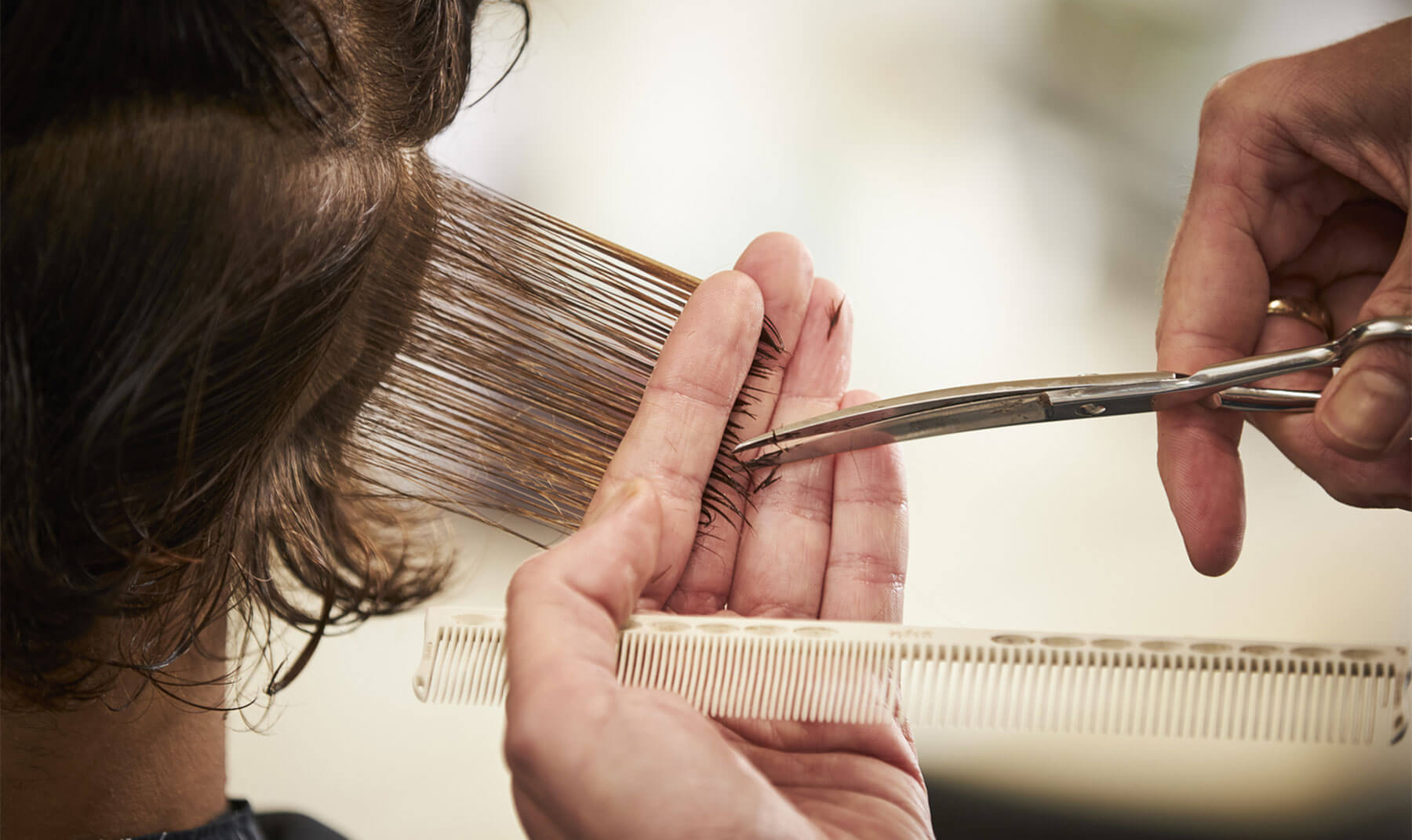
Nine months ago, I stood in a hairdressing shop in Parramatta watching a stylist lift my ends with a pair of snips and say, quite gently, “It’s a bit of a disaster.” She wasn’t being unkind. She was describing a head of hair that had gone through five years of budget blow-dryers, two failed box dyes at home, and one memorable attempt to undo a too-short trim. By the time I sat in the wash basin, my scalp had given up on me entirely — it was dry, it was itchy, and the only thing holding the length together was stubbornness.
I left that appointment with a bag of Kevin Murphy shampoo, conditioner, and a leave-in treatment, and a number on my phone for the salon. Nine months of using them has now gone by, and this is the full, unvarnished story. I will talk about what worked, what didn’t, what it actually costs, and whether you need to be a celebrity to justify the price.
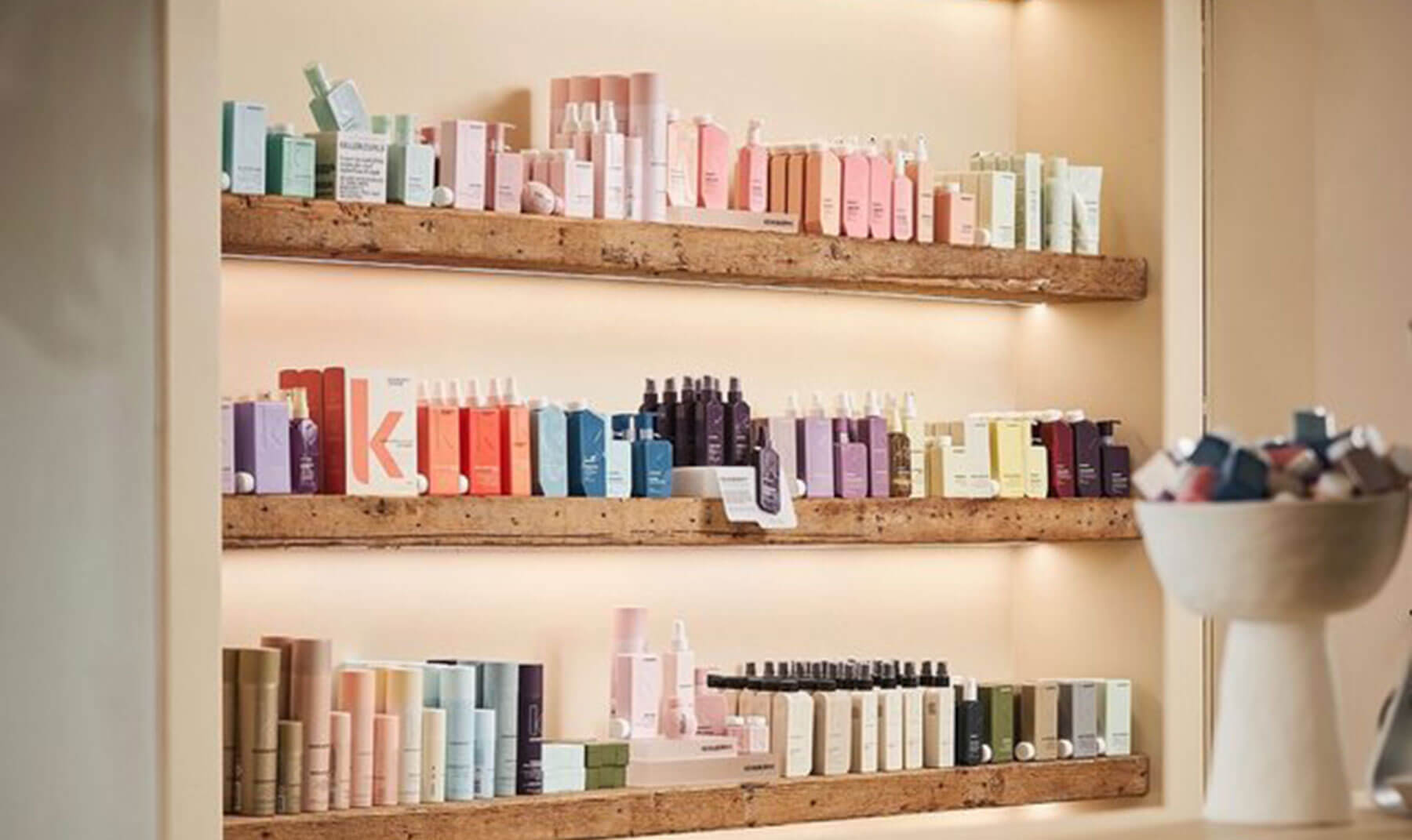
If you are new to the brand, here is the short version. Kevin Murphy (the brand, founded by Kevin in Sydney) has been making professional hair care in Australia since the nineties. It is the sort of thing you have probably seen at the back of hairdressing shop counters, or in the “aftercare” bag a stylist hands you when you leave. The products go through a strict professional channel, and the Australian range is stocked in salons across the country. For the full product lineup, check out the Visit Official Website Now page, which lists the Australian range and current stockists.
Why I Chose Kevin Murphy in the First Place
It did not start with me. It started with my mate Jess. She had been having a serious, proper haircut with a colourist in Bondi for about two years, and her hair went from “meh” to genuinely great. I asked her what she used at home, and she pulled out a Kevin Murphy bottle from her bathroom cabinet, and a second, and a third. She had a shelf of them. That was the first time the name really registered.
By the time I went into my salon appointment, I had read enough that I understood what I was getting into. Kevin Murphy products are sold through professional channels — you buy them from the brand and its salon partners rather than off supermarket shelves. There is a reason for that, and the reason is that a stylist will actually explain which products fit your hair. I would have been lost guessing at a supermarket aisle, and the salon route saved me from that.
My stylist, Priya, took a look and a touch and told me three things that stuck with me. First, my damage was not just from the one bad dye — it was years of heat styling on hair that was never given proper care. Second, the damage was not just the ends, it was running up the entire length, which meant I needed a routine, not a one-off fix. And third, that a good home routine would change how the next cut behaved, because hair that is cared for at home is hair that can be shaped and cut to more. Those three things, in that order, are the whole pitch, and they are why I committed to the full range instead of just grabbing a bottle of shampoo.
What I Actually Use, and in What Order
Here is the routine that stuck, after about three weeks of fumbling. Priya wrote it out for me, and this is how it landed.
Shampoo — I go with a gentle daily option from the range rather than a heavy treatment every time. The daily one cleans without the squeaky feeling that used to signal I had washed it too much. I wash my hair three times a week now, not daily, which I also had to unlearn.
Conditioner — a proper conditioning step, applied from the mid-length down, never on the scalp. This is the one most people rush. I leave it in for a full minute or two, which used to feel like a waste of time, and it turns out not to be.
A leave-in treatment — this is where the difference showed up. A small amount, worked through damp hair before any heat. I used to blow-dry on completely dry, tangled hair, which is how you get breakage in the first place. Now I detangle with the leave-in in, then blow-dry, and the ends stay in one piece.
Deep treatment, once a fortnight — a richer product I use before I shower out, left on for ten minutes. This is the one I almost skipped for the first month because “once a fortnight” sounded like overkill. It is not. It is the step that keeps the rest of the routine working.
For the Australian lineup, current prices, and what’s in stock at salons near you, head to the Visit Official Website Now site, which is the cleanest place to see the full Australian collection before you commit to a shopping list.
What Changed, and When
I will be specific because vague “it’s great” reviews don’t help anyone budget. Here is the timeline as I actually lived it.
Weeks one to three — Nothing dramatic. The hair felt softer immediately, which was nice, but the damage was still there and you could still see it. This is the phase where most people give up and think they bought a waste of money. If you are starting a routine, this is the phase to expect and push through. The softness was real, but the texture was not yet fixed.
Weeks four to eight — The detangling got noticeably easier, and I started using less product per wash because the hair was absorbing it better. My blow-dry times went down because the hair was less frizzy and drier faster. The ends stopped splaying out when I brushed them, which used to be my tell-tale for how badly the day had gone.
Months three to six — The difference became visible in photos, which is when it stopped feeling like a hope and started feeling like a fact. My colour was holding up better between salon visits, which is a side benefit of healthier hair, because cuticle that is in good shape holds pigment. The frizz that used to come on with Sydney humidity in summer was mostly gone. I stopped carrying a travel-size anti-frizz product in my bag.
Months six to nine — This is where it becomes a lifestyle change rather than a fix. I stopped thinking about my hair in the bad sense. I do not wake up worrying about it, and I have had one haircut since starting that actually came out well because the stylist worked with hair that was healthy to cut. The full range is available through professional stockists across Australia, and you can browse the current Australian lineup at Visit Official Website Now.
The Price, and Whether It Is Worth It
Let’s talk money, because this is where most of the debate happens. Kevin Murphy is a professional-range brand, and it prices itself like one. A single full-size shampoo or treatment can run to the top end of what you would pay for a supermarket bottle, and a full routine with the leave-in and the deep treatment adds up quickly if you buy all of it at once.
Here is how I actually budgeted it, and I think this is the only sensible way to do it. I did not buy the whole range on day one. I started with the two basics — the daily shampoo and the conditioner — and added the leave-in in month two, and the deep treatment in month three. That stretched the cost across the quarter and meant I was paying for products I actually used rather than a shelf of half-used bottles. It also let me see what my hair actually responded to before I committed more money.
If you are weighing the cost against the salon visits it saves, do the math the other way around. A bad haircut or a colour that fades wrong because your home routine was a mess costs a repair visit, which is more money than the products, plus the time. Nine months in, my home routine has paid for itself in the number of times I have not had to book a fix. That is the argument that convinced me, and it is the one I would make to anyone hesitant about the price.
What I Would Do Differently
I will be upfront about the things that did not go smoothly, because a review that is all praise is not useful.
Product overlap — the range is large and the product names do not spell out clearly which one replaces which. When I went back to the salon for a top-up, I stood in front of the shelf for a solid five minutes trying to work out which leave-in was which, and I almost bought two of the same thing. My advice: ask the stylist to write down the exact names, or photograph the shelf, before you commit to a restock.
The deep treatment is easy to skip — it is the one step I kept putting off because it felt like an extra task on top of an already busy routine. The times I skipped it, the frizz came back a bit and I had to catch up. Do not skip it. It is the step that keeps the rest working.
Smell and texture preferences — the products have a distinct scent, and not everyone loves it. I love it. I would have been fine if it had been fragrance-free, and I suspect that is a dealbreaker for some people, so worth checking a sample or a small size before you buy a full bottle.
For the full Australian lineup and to find professional stockists, the Visit Official Website Now site is the cleanest starting point.
What Other People Are Saying
Because my experience is one data point, here is what other people in Australia have said when they have been on the same routine for a few months.
“I’d been dragging my hair through two bad box-dye jobs and I thought I’d written it off. My stylist switched me onto the Kevin Murphy range and I can’t say the frizz is completely gone, but it’s manageable on a Sydney summer day now, which used to be impossible. The leave-in treatment is the step that did it.” — Tahlia, Sydney, roughly eight months on the routine
“We buy the range for every single client we send home, and the one thing that comes back to us is that the deep treatment is the one they forget. The moment they actually make it part of the fortnight, the results show up. It’s the step people skip and then wonder why the rest isn’t holding.” — Priya, hairdresser, Melbourne
“I was sceptical about the price tag, and I’m still a little sceptical about it. But the softness is real, and the colour holds longer between salon visits, and that alone is paying for it. I’ve stopped going to the supermarket aisle for my shampoo and I don’t miss it.” — Sam, Brisbane, about five months in
“I was in for the name recognition and stayed for the results. The only thing I’d warn you about is that the range is big and the products overlap a bit, so ask your stylist to write down exactly which one you need before you restock, or you’ll end up with two of the same bottle on the shelf.” — Morgan, Adelaide, about a year on
Who I Would Actually Recommend It To
It is not for everyone, and I would not waste your money if you fall in the wrong bucket. Here is who I would say it is for.
You are doing heat styling regularly — if you blow-dry, straighten, or curl your hair often, the leave-in step is not a luxury, it is protection. This is the bucket I was in, and this is the bucket it works hardest to fix.
You have colour or highlights — the products hold pigment better when the cuticle is in good shape, and the routine keeps the colour looking fresh for longer between salon visits. If you spend money on your colour, this is the part of the equation that makes that money last.
You are in a humid climate — I live in Sydney, and the frizz story above is a humidity story. If you are in Brisbane or a coastal area, the anti-frizz part of the routine is doing more work for you than it would do for someone in a dry inland town.
You want the salon result at home — this is the one I would be more careful about. If your hair is healthy and you have no colour or heat styling, you might not need the full range, and you might get away with a single good conditioner. The range earns its keep when you are dealing with damage, humidity, or colour that needs to last.
The Verdict, Without the Fluff
Would I go back to the supermarket shelf if I could? No. Not because I am loyal to the brand, and not because I am impressed by the name, but because nine months in, my hair genuinely is not the same, and the difference is in the everyday stuff — the way it detangles, the way it holds a style, the way it takes a cut. The price is real and I do not think it is cheap, but I do not think it is expensive for what it does when you have damaged or colour-treated hair. The only time I would not recommend it is if your hair is healthy, uncoloured, and you are not doing heat styling. In that case, a good conditioner and sensible washing is probably enough, and you would be paying for more than you need.
If you are on the fence and want to see the full Australian range, current prices, and professional stockists, the Visit Official Website Now site is where I would start, and the salon counter is where I would ask for the product names written down before I buy. That is the whole story, and it is the only one I need to tell.